
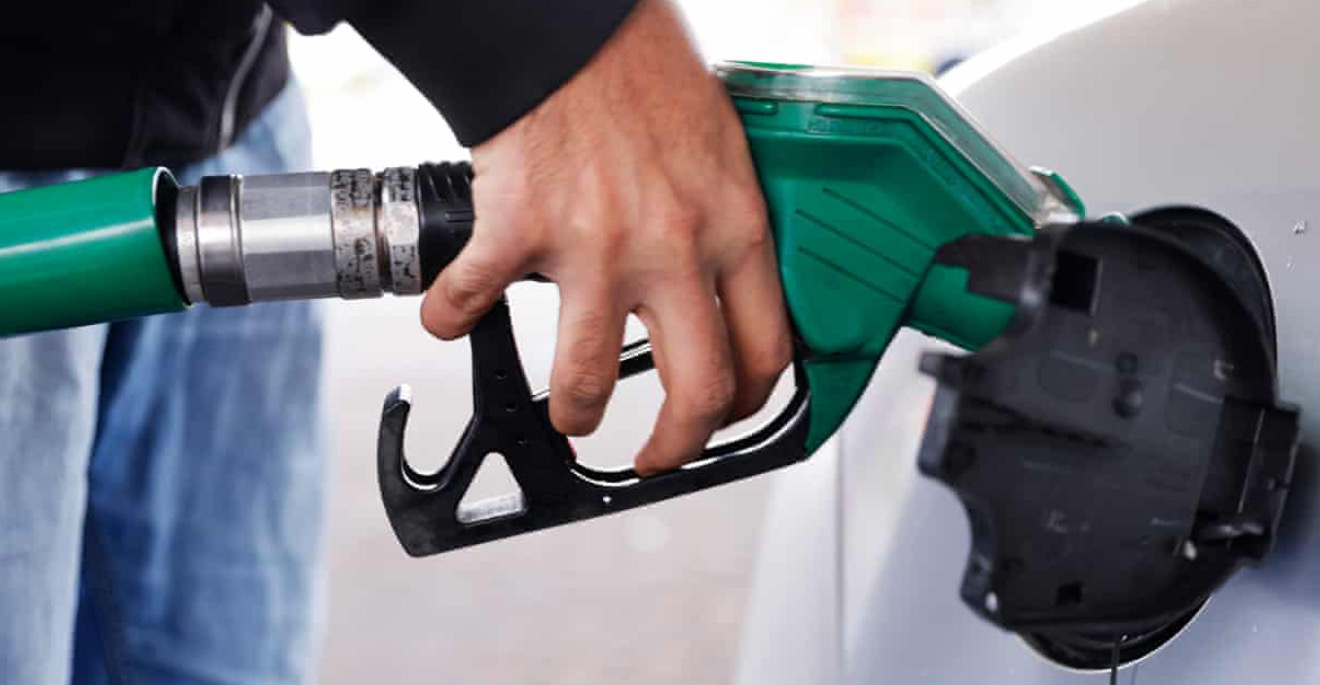
Retail sales across Great Britain rose last month as motorists rushed to buy fuel following sharp increases in petrol and diesel prices linked to the Iran conflict.
Data from the Office for National Statistics (ONS) shows retail sales volumes increased by 0.7% in March, significantly above forecasts of 0.1%. The rise was driven largely by fuel purchases, which reached their highest level since 2021.
Fuel sales jumped 6.1% over the month as drivers responded to rising prices caused by disruption in global oil markets. The value of fuel sales rose even more sharply, up 11.6%, reflecting higher petrol and diesel costs.
ONS senior statistician Hannah Finselbach said retailers reported that many motorists had been topping up their tanks in response to the Middle East conflict and rising fuel prices.
Excluding fuel, retail sales still grew by 0.2%, rebounding from a 0.6% fall in February. The ONS also revised previous February estimates slightly downward.
Clothing and footwear stores saw a 1.2% rise in sales, supported by better weather, while department stores recorded growth of 1.1%. Supermarkets and food stores were the only major sector to see a decline, with volumes falling by 0.8%.
Analysts say the figures suggest consumers are adjusting spending habits rather than cutting back overall. Some households are choosing to reduce savings to cover higher fuel costs instead of reducing other purchases.
However, wider economic indicators point to growing pressure on consumer confidence. The GfK consumer confidence index fell sharply in April to -25, its lowest level since 2023, reflecting concerns over energy prices and economic disruption linked to the Iran war.
Business surveys also show rising cost pressures. The S&P Global purchasing managers’ index reported the steepest rise in service sector costs since 1996 between March and April.
Meanwhile, official business data suggests more firms are planning to increase prices in the months ahead, adding to inflation concerns.
Retail experts warn that the recent boost in sales may be temporary. Higher energy bills, rising grocery prices and ongoing fuel volatility could soon weigh on household spending.
Economists at PwC UK say early-year resilience in retail activity may fade as cost pressures build, with discretionary spending expected to come under increasing strain.
For now, however, fuel-driven demand has given UK retailers a short-term lift, even as wider economic uncertainty continues to grow.