
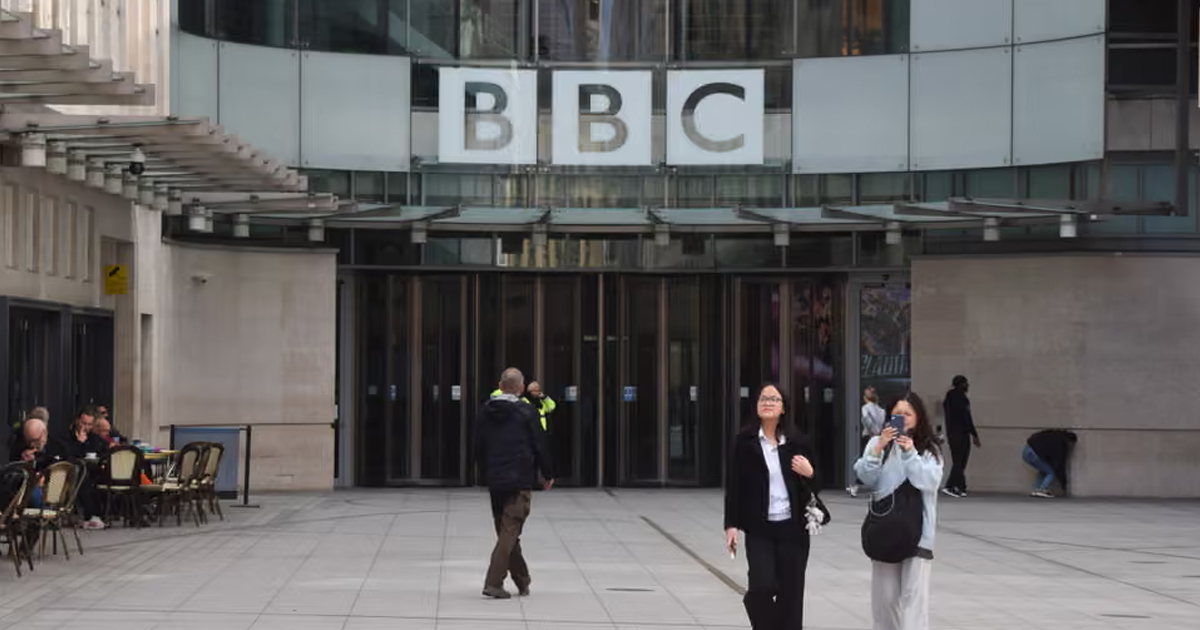
The BBC is preparing for one of its largest restructuring programmes in over a decade, with its news division set to bear the heaviest cuts as part of plans to reduce up to 2,000 jobs across the organisation.
The move comes as the broadcaster seeks to deliver £600 million in savings, with BBC News expected to reduce costs by around 15%—significantly higher than the average 10% cut planned across the wider corporation.
BBC News Hit Hardest by Cost-Cutting Plan
The cuts will disproportionately affect the BBC’s news operation, which employs roughly a quarter of the organisation’s 21,500 staff.
During internal briefings, senior executives confirmed that BBC News would face deeper reductions due to the structure of its costs, with staffing making up the majority of expenditure.
Richard Burgess told employees that most savings would inevitably come from workforce reductions, as salaries account for a significant share of the division’s budget.
Job Losses Expected Across Key Roles
Staff have been warned to expect substantial redundancies, with detailed plans set to be announced in June and affected employees notified by September.
The restructuring is part of a broader effort by the BBC to adapt to financial pressures, including declining licence fee income and rising operating costs.
While some staff may be redeployed, job losses are expected to form a central part of the cost-saving strategy.
Leadership Change Amid Ongoing Challenges
The restructuring coincides with a leadership transition, as Matt Brittin prepares to take over as director general.
He succeeds Tim Davie, who stepped down following a period of controversy and scrutiny over editorial decisions.
The new leadership is expected to oversee the implementation of the cost-cutting programme and broader strategic reforms.
Operational Changes and Efficiency Measures
Beyond job cuts, the BBC is exploring additional ways to reduce costs and modernise operations.
These include increased use of mobile journalism technology to replace more expensive broadcasting equipment, as well as potential consolidation of local radio programming into national or regional output.
The broadcaster has already implemented measures such as reducing travel costs and tightening spending on external services, including consultants and events.
Pressure on High-Paid Roles and Resources
Internal discussions have also focused on the role of senior leadership and high earners in contributing to cost savings.
The BBC employs hundreds of senior executives earning six-figure salaries, alongside significant spending on on-air talent.
Staff have raised concerns about how cuts will be distributed and whether higher-paid roles will face reductions or restructuring as part of the plan.
Financial Pressures on Public Broadcasters
The BBC, like many public service broadcasters, is facing increasing financial challenges as audiences shift to digital platforms and competition from global streaming services intensifies.
The licence fee model, which funds much of the BBC’s operations, has come under pressure in recent years, prompting calls for reform and greater efficiency.
Previous rounds of cost-cutting have already reduced staffing levels and reshaped programming, particularly in local and regional services.
Future of BBC News Services Under Scrutiny
The scale of the planned cuts has raised concerns about the potential impact on the quality and reach of BBC News, which plays a central role in public service broadcasting in the UK.
Journalists and media analysts warn that significant reductions in staffing could affect newsgathering capacity, particularly for local and investigative reporting.
As the BBC moves forward with its restructuring, the challenge will be balancing financial sustainability with its mandate to deliver high-quality, impartial journalism.