
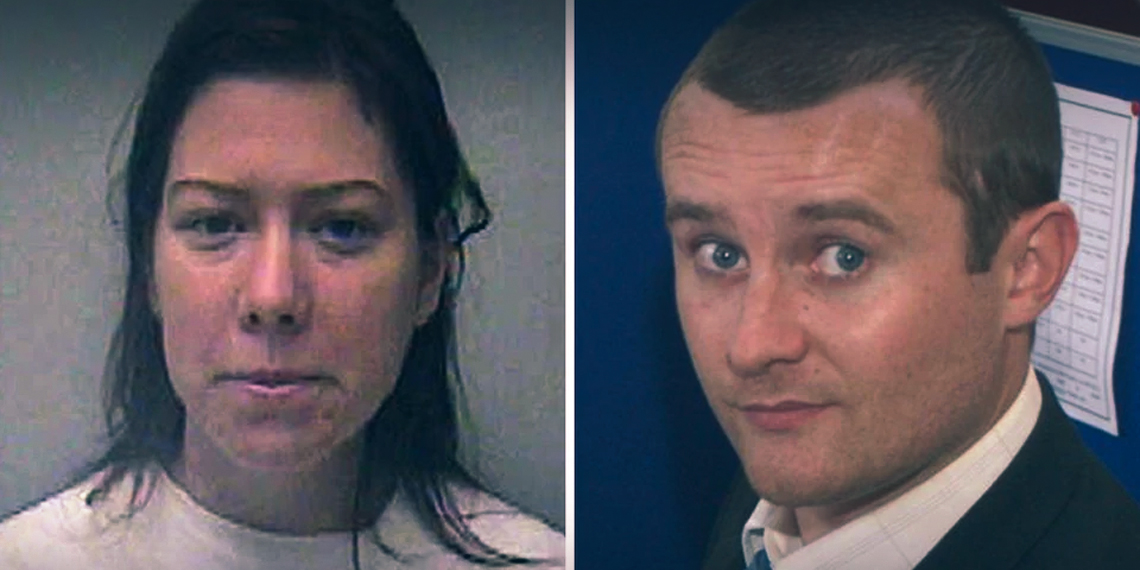
The National Health Service is facing growing scrutiny after an investigation revealed that several psychiatric offenders, including convicted killers, were paid to advise mental health trusts and healthcare bodies on patient care, staff training and service development.
The investigation has reignited debate over the NHS “experts by experience” model, which allows former psychiatric patients — including some with violent criminal histories — to participate in shaping mental health policy and advising clinicians as part of a wider “recovery approach” promoted across England.
Mental health campaigners, former NHS officials and victims’ families have raised concerns that some dangerous offenders may have been discharged too quickly from secure facilities while being presented as examples of rehabilitation and recovery.
The revelations also raise wider questions about public safety, transparency and the balance between rehabilitation and accountability within the UK mental health system.
NHS Recovery Approach Under Fresh Criticism
The NHS “recovery approach” became widely embedded in mental health services during the early 2010s as part of efforts to involve patients more directly in healthcare planning and treatment decisions.
Under the model, individuals with “lived experience” of mental illness are often invited to work alongside healthcare professionals as “experts by experience.”
Mental health trusts use these advisers to help improve patient services, recruit and train staff, contribute to research projects and offer feedback on healthcare delivery.
Supporters of the approach argue that patients who have experienced psychiatric treatment firsthand can provide valuable insight into how services operate and how care could be improved.
However, critics argue that employing violent psychiatric offenders in such positions risks prioritising offender rehabilitation over public safety and victims’ concerns.
Former NHS officials have warned that participation in these programmes may also unintentionally help some offenders appear more stable or rehabilitated than they actually are.
Convicted Killer Delivered Workshop for Royal College of Psychiatrists
One of the most controversial cases highlighted by the investigation involved Martin Saberi, a repeat offender diagnosed with bipolar disorder.
Saberi was enlisted by the Royal College of Psychiatrists to deliver a workshop on substance misuse to doctors during the organisation’s annual forum in 2018.
At the time, Saberi had already served 16 years of a life sentence for armed robbery before being released on licence in 2016.
Participants involved in Royal College schemes can reportedly earn up to £140 per day and are expected to act as role models reflecting the organisation’s values.
Months after leading the workshop, Saberi murdered Amy Griffiths, a transgender woman he had met through a dating platform.
In 2021, he received a life sentence after bludgeoning Griffiths with a baseball bat before strangling and fatally attacking the victim. He was also convicted of stabbing another woman days earlier.
An NHS England report later found that Saberi had continued working as a “lived experience consultant” shortly before the murder and that “no concerns were noted” at the time.
The report suggested the pressure of maintaining a public image of recovery may have contributed to him masking ongoing mental health difficulties.
Concerns Over Rapid Discharge of Violent Patients
The investigation has intensified criticism of the process through which psychiatric offenders are released from secure hospitals.
Former NHS psychiatrists and victims’ families argue that some patients are discharged before sufficient consideration is given to the risks they may pose to the public.
A retired psychiatrist formerly linked to Nottinghamshire Healthcare NHS Foundation Trust said the system often assumes that increased freedom and autonomy reduce the likelihood of violence, despite evidence that this is not always the case.
The doctor claimed some offenders who had committed serious crimes were allowed to inspect other secure mental health facilities as part of peer review visits, including reviewing CCTV systems, examining security arrangements and assessing hospital infrastructure.
The former psychiatrist warned that such practices represented “positive risk-taking” taken too far.
Another former NHS trust chief described the investigation’s findings as “very worrying,” particularly when offenders convicted of homicide are involved in advising services for vulnerable psychiatric patients.
Victims’ Families Demand Mental Health System Reform
Families of victims killed by psychiatric patients have also criticised the NHS approach and called for major reforms to the release process for mentally ill offenders.
One case highlighted involved Nicole Thomas, formerly known as Nicola Edgington, who killed Sally Hodkin in south London in 2011 after being released from a psychiatric unit.
Thomas had previously served time for killing her own mother before being released back into the community.
An NHS report later found she had hidden symptoms of psychosis and had become fixated on securing rapid discharge from hospital care.
Len Hodkin, son of victim Sally Hodkin, said little had changed in the years since his mother’s death.
He called for an overhaul of mental health tribunal procedures, arguing that public protection should play a far greater role in decisions about patient release.
Unlike parole board hearings, mental health tribunal decisions are generally not accessible to the public.
Campaigners say this lack of transparency limits accountability when serious failures occur.
Oxleas Cases Raise Further Questions
An NHS England review published in 2018 found that 18 psychiatric patients released from Oxleas NHS Foundation Trust had gone on to kill over a 15-year period.
One of those cases involved Daniel Atkins, who killed 71-year-old Ronald Parsons in Bromley in 2014 after being discharged without consultant approval.
A judge later described the decision to release Atkins as “fatally flawed.”
Atkins had reportedly been promoted as a success story by the trust and had campaigned for employment opportunities for mental health patients.
Oxleas said all official lived experience practitioners undergo training, supervision and criminal background checks before being employed.
The trust stated that safeguarding the public remains a top priority and that lessons are continually learned from serious incidents.
NHS Defends Experts by Experience Model
Despite mounting criticism, NHS bodies continue defending the use of experts by experience in mental health services.
An NHS spokesperson said listening to patient experiences is essential to improving healthcare delivery and does not place former patients on the same professional footing as doctors or nurses.
The Royal College of Psychiatrists also defended the practice, arguing that lived experience can strengthen service assessments and improve patient safety when combined with clinical expertise.
The organisation said all participants are subject to DBS background checks and risk assessments before being involved in official programmes.
Mental health experts also note that evidence suggests patient involvement can reduce hospital readmissions, improve engagement with services and help healthcare providers better allocate resources.
However, campaigners insist stricter safeguards are needed when involving offenders with histories of violence or homicide.
Growing Debate Over Public Safety and Mental Health Policy
The controversy comes amid wider national debate about the management of mental health services in England and the balance between rehabilitation and public protection.
Around 300 psychiatric patients released into the community each year are later recalled to hospital because of concerns over their behaviour or breaches of release conditions.
Campaign group Hundred Families, which supports families affected by mental health-related killings, said the latest revelations reinforce fears that victims’ voices are often overlooked.
Its founder, Julian Hendy, said serious offenders should have opportunities to recover but warned that rehabilitation must happen safely and with full awareness of the risks posed by individuals when unwell.
Critics are now calling for greater transparency, stronger public protection measures and tighter oversight of how psychiatric offenders are involved in NHS advisory roles.