
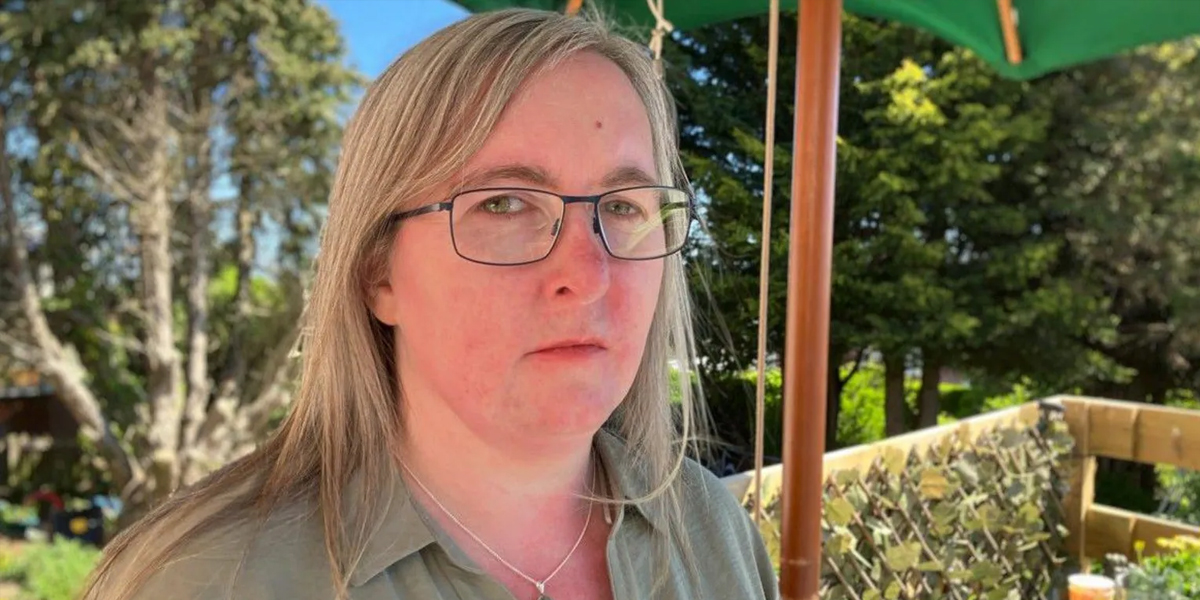
Two women who say their lives were endangered by failures within a breast cancer service at a northern England NHS trust have launched a campaign demanding a full public inquiry into what they describe as a major healthcare scandal.
County Durham and Darlington NHS Foundation Trust is facing mounting scrutiny after independent reviews uncovered serious failings in its breast cancer services, including missed diagnoses, delayed treatment and unnecessary mastectomies.
The BBC has reported that at least 270 women were harmed by issues linked to the trust’s breast cancer department, with 45 patients suffering moderate harm and 19 experiencing severe harm. One patient death has also been linked to the scandal.
Now former patients Nadeen Lister and Amelia Green are calling for a public inquiry, arguing that only a full investigation can uncover how the failures were allowed to continue for years.
Their petition has already gathered more than 1,200 signatures as anger grows over patient safety concerns and the handling of cancer care at the trust.
Women Say Cancer Care Failures Put Lives at Risk
The two women say they were brought together again by their shared experiences within the trust’s breast cancer services after previously losing contact.
Both women were treated by breast surgeon Amir Bhatti, who served as clinical lead for breast cancer services at the trust.
Bhatti has been suspended from carrying out clinical duties while investigations continue into concerns surrounding patient safety and treatment standards.
Earlier this month, the High Court rejected an attempt by Bhatti to overturn restrictions imposed on his clinical practice.
The court heard the restrictions were introduced because of ongoing concerns linked to the trust’s breast surgery investigation and his alleged refusal to engage fully with retraining measures.
The judgment concluded there was “no serious issue” with the trust’s decisions, stating they were based on legitimate patient safety concerns.
Bhatti has said he is cooperating with investigations but cannot comment publicly while they continue.
He remains employed by the trust on full pay.
Amelia Green Describes Delayed Cancer Treatment
Amelia Green said her concerns about the trust intensified because her sister Michaela, who also had breast cancer and was treated by the same NHS trust, died in 2009.
Green said she later discovered the trust claimed her sister’s medical records had been lost.
When Green herself discovered a lump in her breast in January 2019, she said she was terrified because of her family history.
She was referred to Bhatti for assessment.
According to Green, the consultation left her deeply uncomfortable.
She said Bhatti dismissed her concerns despite her explaining that her sister had died from cancer.
Green later learned she had stage three aggressive breast cancer.
She said she became dissatisfied with the proposed treatment plan and asked for a second opinion from another NHS trust.
According to Green, Bhatti initially refused to refer her elsewhere.
However, she later received a call from another hospital offering an appointment, although she says she still does not know who authorised the referral.
Green eventually underwent surgery in Newcastle in February 2019.
“It was dangerous cancer that I’d already been left with for longer than I should have been,” she said.
She confirmed that the trust has since apologised for aspects of her treatment.
Nadeen Lister Says Missed Diagnosis Nearly Cost Her Life
Nadeen Lister said she discovered a lump in her breast while showering in 2017 and was referred to an urgent NHS cancer clinic under the two-week wait pathway.
She said Bhatti examined her and told her the lump was probably harmless fatty tissue.
Lister said she was reassured there was nothing to worry about and celebrated the good news with family and friends.
However, over the following months the lump continued growing until it reached the size of an orange.
After returning to her GP, she was again referred urgently for cancer testing.
Further examinations later revealed she had two tumours.
“I couldn’t believe it,” she said.
Lister said she was eventually informed she needed a mastectomy.
She believes a biopsy should have been performed during her first appointment and says the delay in diagnosis could have killed her.
“If I hadn’t gone back to my GP, I wouldn’t be here now,” she said.
Hundreds of Patient Records Under Review
The scandal has triggered a major review of breast cancer services within the trust.
Around 1,500 medical records from between 2023 and 2025 are currently being examined as part of the investigation into patient care standards.
The trust has already admitted failures occurred and issued repeated public apologies to affected patients and families.
A spokesperson for the trust said it recognises the “distress and uncertainty” caused by the failings.
The trust also said improvements have already been introduced, including strengthened clinical leadership, revised treatment pathways and additional specialist staff.
According to the trust, breast surgery care indicators have since improved to above national averages in several categories.
These include increased rates of breast-conserving surgery, fewer repeat operations and greater access to immediate breast reconstruction after surgery.
Police Investigation Underway
Durham Police has launched a criminal investigation into whether offences may have been committed in relation to the breast cancer service failures.
Police have opened a reporting portal allowing former patients and families to raise concerns or provide information.
The criminal investigation marks a significant escalation in the scandal and increases pressure on the NHS trust and regulators.
Lawyers representing affected patients say the case raises serious questions about oversight, accountability and patient safety within NHS cancer services.
Hudgell Solicitors, which represents several women impacted by the scandal, said independent reviews were “highly critical” and identified failures that placed patients at risk.
Solicitor Hayley Collinson said the findings highlighted the seriousness of concerns during the period when Bhatti served as clinical lead.
Calls Growing for Full Public Inquiry
Campaigners argue that only a public inquiry can fully establish how the failures happened and why warning signs were allegedly missed.
Lister and Green say many more women may have been affected than official figures currently suggest.
“There are thousands of women affected and I want to know why the NHS allowed this to happen to so many people,” Green said.
The case has intensified wider debate about NHS patient safety, delayed cancer diagnoses and accountability within hospital management.
Health experts have repeatedly warned that delayed detection remains one of the biggest factors affecting breast cancer survival rates.
Campaigners now hope the growing public pressure will force authorities to launch a full independent inquiry into the scandal.