
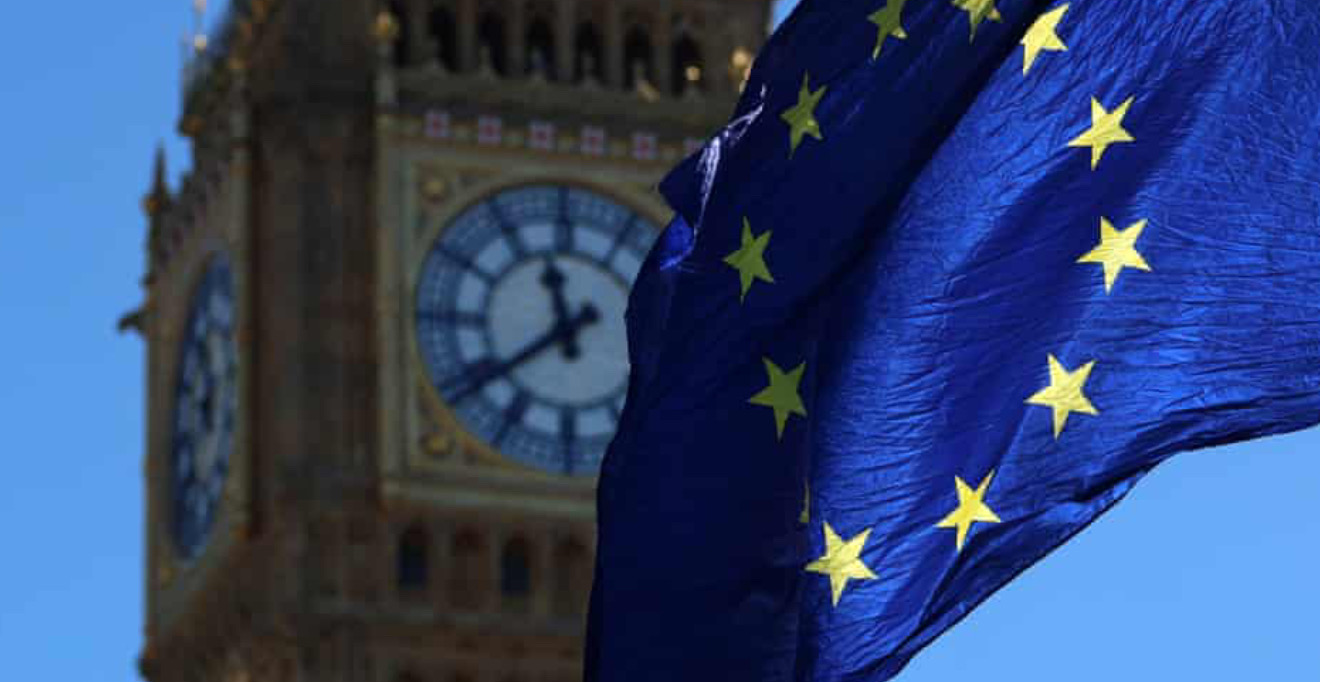
European ministers have warned that the United Kingdom will not receive special treatment in future negotiations with the European Union, dealing a significant setback to Prime Minister Keir Starmer and his government’s efforts to rebuild economic ties with Brussels after Brexit.
The warning comes after reports that the UK government proposed a new arrangement allowing Britain access to a single market for goods without accepting broader EU rules on the free movement of people, services and capital.
European officials rejected the proposal, insisting that the EU’s core principles remain non-negotiable and that Britain cannot “cherry-pick” parts of the bloc’s single market system.
The disagreement highlights the continuing tensions surrounding Britain’s post-Brexit relationship with Europe nearly a decade after the 2016 referendum.
While both sides have expressed interest in improving cooperation on trade, defence and economic issues, EU member states made clear that any deeper partnership must respect the bloc’s long-established legal framework.
EU Defends Core Brexit Principles
European ministers discussed UK-EU relations during a meeting on Tuesday involving the bloc’s Europe ministers and senior officials.
Diplomatic sources said ministers reaffirmed the EU’s longstanding position that the four freedoms of the single market are inseparable.
These freedoms include:
* Free movement of goods
* Free movement of services
* Free movement of capital
* Free movement of people
EU officials argued that Britain cannot seek the economic advantages of the single market while refusing other obligations attached to membership.
The position represents another obstacle for Starmer’s attempt to reset relations with Brussels while avoiding politically difficult compromises on immigration and sovereignty.
One EU diplomat said member states remained united behind the principle that there could be no selective participation in the single market.
Officials stressed that deeper cooperation with Britain remains possible, but only within established legal and political limits.
UK Proposal for Goods-Only Market Rejected
Reports emerged last week that the British government had quietly explored the idea of creating a “single market for goods” between the UK and the EU.
The proposal would have allowed closer trade integration for manufactured products, food and industrial goods while excluding broader participation in EU structures.
However, EU officials reportedly rejected the idea almost immediately.
For Brussels, allowing Britain preferential access to goods markets without accepting free movement rules would risk undermining the foundations of the European project.
The EU has consistently argued since Brexit that participation in the single market requires acceptance of all four freedoms.
European leaders fear that making exceptions for Britain could encourage similar demands from other countries or political movements inside Europe.
One senior EU source said the UK still appeared to want “to have the cake and eat it,” echoing criticism frequently directed at British negotiators during Brexit talks.
Starmer Faces Challenges in EU Reset Strategy
Since taking office, Starmer has attempted to improve relations with European leaders after years of tension under previous Conservative governments.
Labour has promoted what it calls a “reset” with Europe focused on practical cooperation, economic growth and security coordination.
However, the government has also ruled out rejoining the EU single market or customs union, limiting the scope of any future agreement.
The latest rejection from Brussels demonstrates the difficult balance facing Starmer as he seeks closer ties without reopening politically sensitive Brexit debates inside Britain.
Some European governments, including France, have indicated they would support Britain eventually returning to closer forms of economic integration.
But EU officials remain sceptical about whether the UK would accept the role of a “rule taker,” meaning Britain would follow EU regulations without having a vote in how those rules are created.
That issue became one of the central arguments during the Brexit campaign and remains politically controversial in the UK.
Delays Raise Questions Over Planned UK-EU Summit
The dispute also comes as uncertainty grows around a long-expected UK-EU summit aimed at deepening cooperation.
The summit is tentatively expected to take place in July, although no official date has yet been confirmed.
The meeting is expected to focus on several key areas including:
* A sanitary and phytosanitary agreement to ease food and agricultural trade
* Cooperation on emissions trading systems
* A youth mobility or youth experience scheme
* Defence and security collaboration
Business groups have strongly supported efforts to reduce trade barriers affecting food, drink and farming exports since Brexit.
Many British exporters continue facing customs checks, delays and regulatory complications when trading with EU countries.
Labour ministers hope improved agreements could reduce costs for businesses and strengthen economic growth without reopening full Brexit membership questions.
Defence and Security Cooperation Remain Priorities
Despite trade disagreements, both Britain and the EU appear increasingly interested in expanding defence and security cooperation.
Russia’s war in Ukraine and growing geopolitical tensions have pushed European governments closer together on military and strategic matters.
British defence capabilities remain highly valued by many EU member states, particularly following the UK’s strong support for Ukraine.
Officials on both sides are reportedly exploring new frameworks for cooperation on defence procurement, intelligence sharing and military coordination.
European diplomats said the overall relationship with Britain is currently more stable than it has been in several years.
However, they warned that expectations in London may still exceed what the EU is prepared to offer.
Brexit’s Economic Impact Still Shapes Negotiations
The latest disagreements underline how Brexit continues to shape economic and political discussions between Britain and Europe.
Since leaving the EU, the UK has faced ongoing debates over trade barriers, labour shortages, customs procedures and investment uncertainty.
Many business organisations have called for closer alignment with European standards to improve market access and reduce friction.
At the same time, Brexit supporters continue warning against arrangements that could place Britain under EU rules without direct influence over decision-making.
Labour has attempted to position itself between those competing pressures by promising better relations with Brussels while ruling out a return to EU membership structures.
European leaders appear willing to improve practical cooperation but remain determined to protect the legal and political foundations of the single market.
Ireland’s Europe minister Thomas Byrne said negotiators should focus first on practical agreements already under discussion before attempting more ambitious arrangements.
Asked directly about Britain’s proposal for a goods-only single market, Byrne acknowledged that the idea “presents challenges.”