
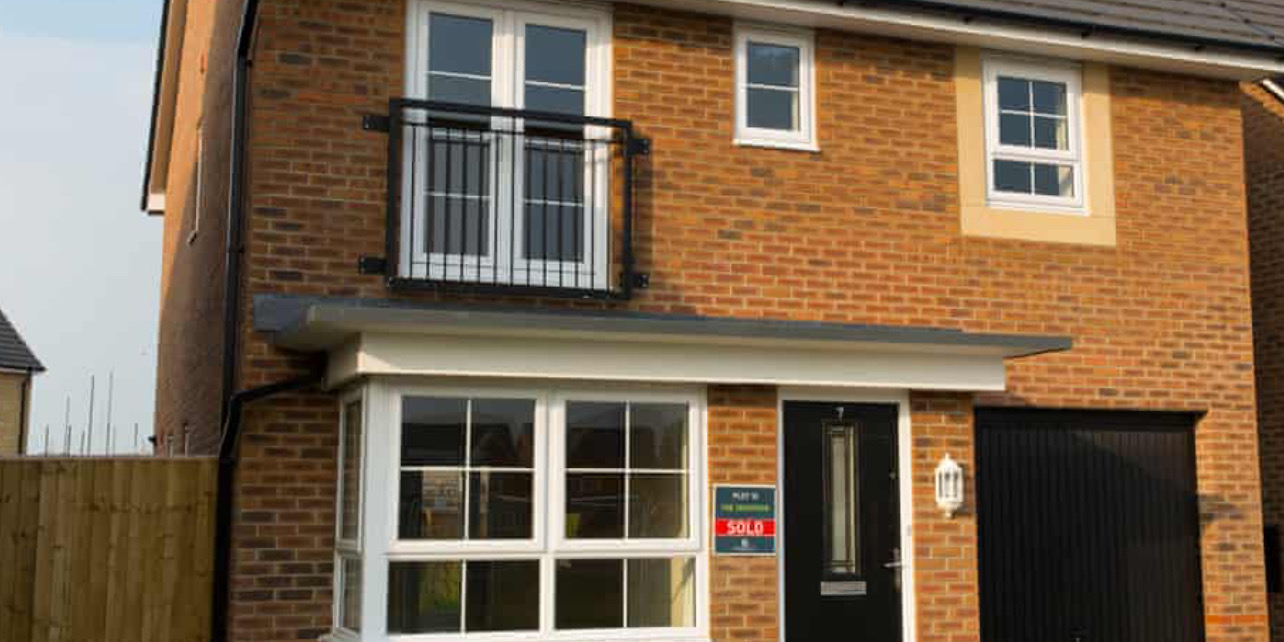
Young people trying to buy their first home in the UK are facing the toughest housing market conditions since the global financial crisis, according to one of Britain’s leading housebuilders.
The warning comes amid rising mortgage costs, growing student debt, high house prices and ongoing pressure on wages, all of which are making home ownership increasingly difficult for younger generations across the country.
David Thomas, the outgoing chief executive of Barratt Redrow, said first-time buyers are encountering conditions comparable to the aftermath of the 2008 financial crash, particularly in London and south-east England.
Industry experts and property analysts say affordability pressures are now creating long-term social and economic challenges, with many younger people forced to remain in rented accommodation for longer periods or delay home ownership altogether.
Housebuilder Warns of Growing Housing Inequality
Thomas described the current market as “very, very difficult” for first-time buyers, arguing that a combination of economic pressures is shrinking the number of young people able to secure mortgages.
He pointed to higher interest rates, tougher lending conditions and rising student loan repayments as key factors limiting affordability.
According to Thomas, student debt has become an increasingly important obstacle because banks consider loan repayments when assessing mortgage applications.
This reduces the disposable income available to borrowers and lowers the amount many younger buyers can borrow.
He warned that the trend is contributing to growing “generational inequalities” as the average age of first-time buyers continues to rise.
The housebuilding industry says the situation risks creating a long-term divide between those able to access property ownership and those trapped in the rental market.
Mortgage Costs Continue to Pressure Young Buyers
The UK housing market has experienced major changes since interest rates began rising sharply following the inflation crisis triggered by the Covid-19 pandemic and global energy price shocks.
Higher borrowing costs have pushed up monthly mortgage repayments, making it significantly more expensive for first-time buyers to purchase homes.
While mortgage rates have eased slightly from recent peaks, affordability remains a major challenge for many households.
Young buyers are also facing higher living costs, increased rent payments and slower wage growth compared with rising property prices.
Many economists say the combination of high house prices and expensive borrowing has created one of the most difficult entry points into the housing market in decades.
London House Prices Continue to Climb
New figures from property website Zoopla show that the average price paid by first-time buyers in London has now exceeded £500,000 for the first time.
The average first-time buyer property in the capital now costs £502,250, representing an increase of around £15,000 over the past year.
This rise has occurred even as overall UK house price growth remains relatively weak.
Outside London, many first-time buyers are increasingly targeting larger properties, with more than half of inquiries focusing on three-bedroom homes.
According to Zoopla, the average property price sought by first-time buyers across the UK now stands at £254,750, up 4.3% compared with last year.
That increase is almost three times faster than wider UK house price growth, which rose by just 1.5%.
Fewer First-Time Buyers Entering the Market
Property data also shows that the number of first-time buyers in the market has fallen.
Zoopla reported that there are now 6% fewer first-time buyers searching for homes compared with a year earlier.
Housing analysts say many younger people are delaying purchases because they cannot afford deposits or mortgage repayments.
Others are relying more heavily on financial support from family members to enter the housing market.
The growing importance of family assistance has intensified concerns about inequality between younger people from wealthier households and those without financial support.
Experts warn that the decline in home ownership among younger generations could have major long-term consequences for wealth distribution and financial stability in the UK.
Renting Becoming Long-Term Reality for Many Young People
Thomas warned that failing to help younger people onto the property ladder could leave many permanently dependent on renting.
He argued that home ownership delivers broader economic and social benefits, including financial security, long-term savings and stronger communities.
The chief executive called on the government to introduce targeted measures aimed specifically at supporting first-time buyers.
He suggested housebuilders would be willing to contribute to a wider support package designed to improve affordability and increase access to housing.
The UK government has repeatedly pledged to increase housebuilding and improve access to affordable homes, but supply shortages continue to affect many parts of the country.
UK Housing Supply Remains Under Pressure
Britain has faced housing shortages for years, particularly in major cities and economically successful regions.
Industry groups argue that the country is still not building enough homes to meet demand, especially affordable housing suitable for first-time buyers.
High construction costs, planning delays and labour shortages have also affected the pace of new housing development.
Housing affordability has become one of the biggest political and economic issues in the UK, particularly for younger voters.
Successive governments have introduced schemes aimed at helping buyers, including Help to Buy and mortgage guarantee programmes, but critics argue these measures have often pushed prices even higher.
Many economists say increasing housing supply remains the most effective long-term solution.
Student Debt Increasing Financial Pressure
Student loan repayments are becoming an increasingly important issue for younger professionals attempting to buy homes.
Graduates now leave university with significantly higher debt levels than previous generations, reducing their disposable income during the early stages of their careers.
Banks and mortgage lenders factor student debt repayments into affordability calculations, limiting the amount many young people can borrow.
Thomas said this was creating additional barriers for otherwise financially stable buyers.
The issue is particularly significant in cities where housing costs are already high and younger workers face intense competition for property.
Housing Experts Call for Government Action
The housing industry is now calling for a broader strategy to improve affordability and support younger buyers.
Experts say policies may need to include lower mortgage costs, increased affordable housing supply, planning reform and better support for deposits.
Some campaigners are also calling for wider action to address the rental market, where rising rents are making it harder for tenants to save money for house deposits.
The UK’s housing affordability crisis has increasingly become linked to wider debates about inequality, economic opportunity and living standards.
For many younger people, home ownership — once considered a key milestone of financial security — is becoming harder to achieve.
As house prices remain high and borrowing costs continue to pressure buyers, industry leaders warn that the dream of owning a first home is moving further out of reach for a growing number of young Britons.