
The United Kingdom has reaffirmed its commitment to supporting international efforts aimed at reopening the Strait of Hormuz, one of the world’s most strategically significant maritime corridors, as global leaders seek to stabilize energy markets and restore secure shipping routes following months of heightened tensions in the Middle East.
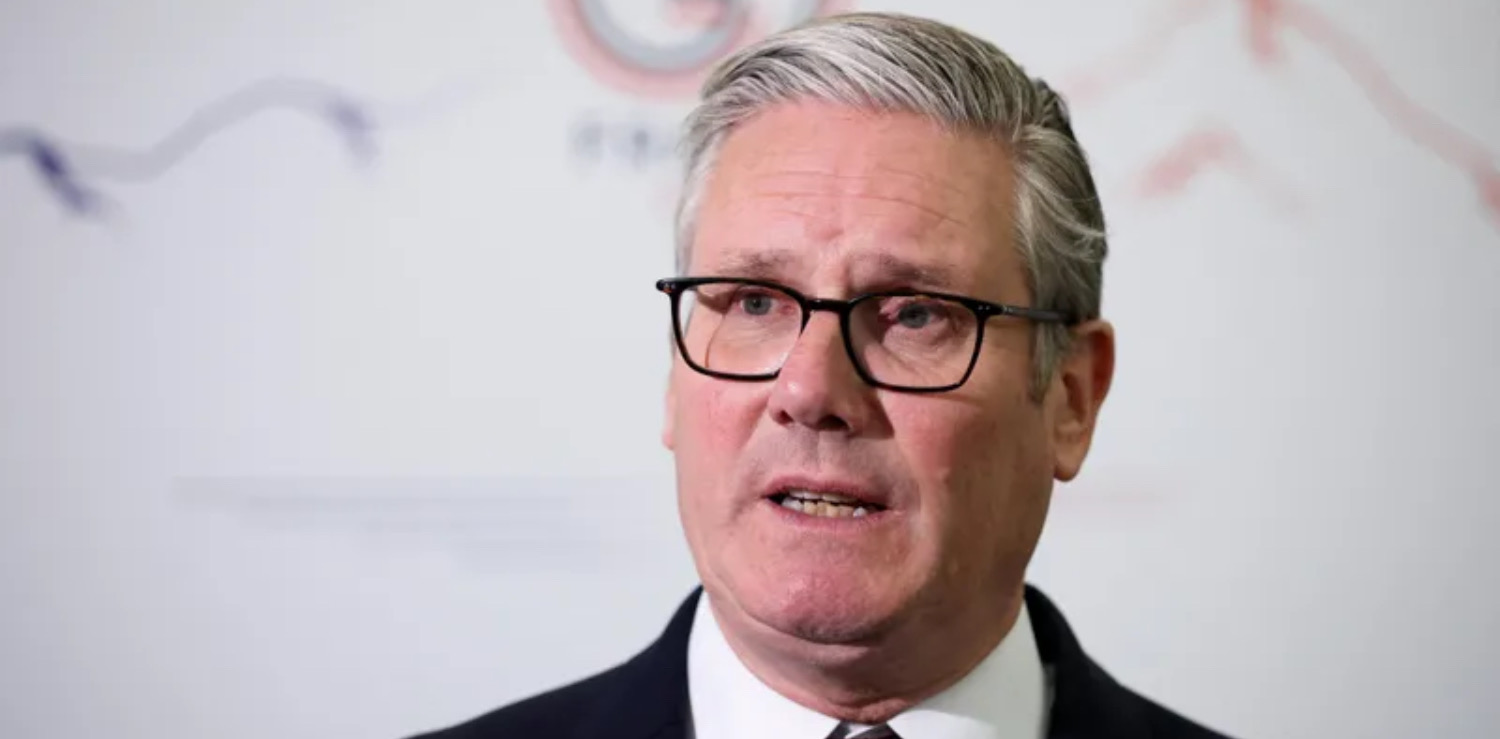
Speaking during the G7 Summit in France, Prime Minister Sir Keir Starmer confirmed that Britain would play its “full part” in ensuring the Strait of Hormuz is reopened as swiftly as possible. The narrow waterway, which serves as a critical passage for a substantial share of the world’s oil exports, has remained effectively closed since the outbreak of conflict involving Iran earlier this year, creating significant disruptions to global energy supplies and international trade.
Starmer emphasized that restoring freedom of navigation through the strait is essential not only for regional stability but also for protecting households and businesses worldwide from the economic consequences of elevated energy prices.
Strategic Importance of the Strait of Hormuz
The Strait of Hormuz is widely regarded as one of the most important maritime chokepoints in the global economy. Located between the Persian Gulf and the Gulf of Oman, the route facilitates the transportation of millions of barrels of crude oil and petroleum products every day.
The closure of the waterway has had a profound impact on international energy markets, contributing to sharp increases in oil prices and renewed concerns over supply chain disruptions. Governments across Europe, North America, and Asia have closely monitored developments, recognizing the strategic significance of maintaining uninterrupted access to this critical shipping lane.
According to Starmer, the reopening of the strait would have a meaningful positive impact on economic stability, energy affordability, and international security.
International Coalition Taking Shape
The British Prime Minister indicated that discussions are underway with key allies, including France, to coordinate a multinational effort designed to safeguard commercial vessels and ensure the safe resumption of maritime traffic through the region.
French President Emmanuel Macron has also expressed support for a collective security framework and confirmed that France stands ready to contribute military assets if necessary. Reports indicate that France already maintains a significant military presence in the region, including naval capabilities and air assets that could support future operations.
Macron revealed that approximately 20 countries have offered concrete contributions to the proposed maritime security initiative, highlighting the broad international consensus surrounding the need to secure the vital shipping corridor.
The coalition’s objective is expected to focus on ensuring freedom of navigation, deterring further disruptions, and protecting commercial shipping from potential threats.
US-Iran Agreement Raises Hopes for Stability
The renewed diplomatic momentum follows reports of a breakthrough agreement between the United States and Iran aimed at ending months of conflict and restoring regional stability.
Although the full details of the agreement have not yet been publicly disclosed, US President Donald Trump has stated that the Strait of Hormuz is expected to reopen once the initial stages of the deal are formally implemented.
Starmer welcomed the diplomatic progress, describing the agreement as a significant step toward reducing tensions and promoting long-term stability in the region. He also reiterated the position shared by G7 leaders that Iran must not acquire nuclear weapons, stressing that regional security remains a priority for Western allies.
The ceasefire arrangement has raised expectations that commercial shipping activities could soon resume, easing pressure on global energy markets that have been strained by months of uncertainty.
UK Military Assets Prepared for Future Mission
The British government has already outlined plans for potential participation in a future multinational security mission in the Strait of Hormuz.
Earlier this year, officials announced that the United Kingdom could deploy a range of military assets, including Typhoon fighter jets, surveillance drones, and the Royal Navy destroyer HMS Dragon, to support maritime security operations in the region.
Additionally, Britain has indicated its willingness to contribute to mine-clearing operations if required, helping to ensure safe passage for commercial vessels navigating the waterway.
Defense officials view the mission as an important demonstration of the UK’s commitment to international security, freedom of navigation, and the protection of global trade routes.
Energy Markets Closely Watching Developments
The closure of the Strait of Hormuz has been one of the primary factors influencing global energy prices throughout recent months. Market analysts have warned that prolonged disruptions to shipping routes could significantly affect fuel costs, inflation levels, and economic growth across major economies.
British households have already experienced the effects of higher energy costs, prompting policymakers to prioritize efforts that could contribute to market stabilization.
Government officials believe that reopening the strait would help restore confidence among investors and energy traders while reducing volatility in global oil markets.
Ukraine Remains High on G7 Agenda
Alongside discussions surrounding Middle East security, the conflict in Ukraine remains a central topic at the G7 Summit.
Starmer highlighted what he described as strong unity among G7 nations regarding continued support for Ukraine. He stated that Ukrainian forces continue to resist Russian aggression while imposing substantial costs on occupying forces.
The UK government has simultaneously unveiled a fresh package of sanctions targeting Russia’s financial networks, military supply chains, and so-called “shadow fleet” operations used to circumvent existing restrictions.
British officials argue that maintaining pressure on Moscow remains essential to supporting Ukraine’s sovereignty and reinforcing international law.
Britain Reinforces Global Security Role
The UK’s commitment to helping reopen the Strait of Hormuz underscores its broader foreign policy objective of supporting international stability, securing critical trade routes, and strengthening partnerships with key allies.
As diplomatic negotiations continue and preparations for a potential multinational mission advance, Britain is positioning itself as a central participant in efforts to restore maritime security in one of the world’s most strategically important regions.
With energy security, global commerce, and geopolitical stability all linked to the future of the Strait of Hormuz, the coming weeks are expected to play a decisive role in shaping both regional dynamics and broader international economic conditions.