
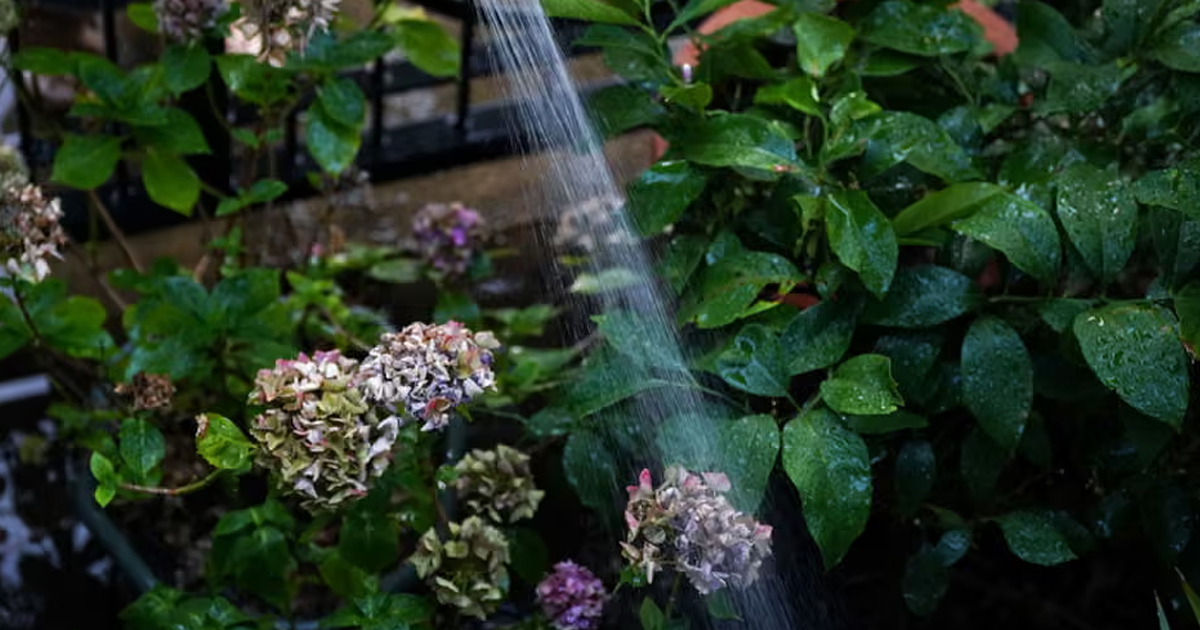
More than 23 million people across England and Wales will be subject to hosepipe restrictions by the weekend as prolonged dry weather pushes large parts of the country toward official drought status. Thames Water has become the latest utility provider to introduce a temporary hosepipe ban, underscoring the mounting pressure on water resources following months of exceptionally low rainfall, soaring temperatures, and sustained increases in household water demand.
The restrictions will affect more than 10 million Thames Water customers across London and the Thames Valley, making it one of the largest hosepipe bans implemented in recent years. The company said the measure is essential to safeguard water supplies, protect the environment, and ensure continued access to drinking water throughout the summer.
South East Water Expands Restrictions Across Multiple Counties
The announcement follows a similar move by South East Water, which has broadened its existing hosepipe ban beyond Kent to include approximately 2.4 million customers in Sussex, Surrey, Hampshire, and Berkshire. The expanded restrictions are scheduled to take effect on Saturday.
Five other water companies—Affinity Water, Anglian Water, Cambridge Water, Southern Water, and South West Water—have already introduced comparable measures, reflecting the widespread impact of the UK’s persistent dry spell.
The growing number of water suppliers enforcing restrictions highlights the severity of the current water shortage, particularly across southern and southeastern England, where reservoirs, rivers, and groundwater reserves have experienced significant depletion.
Prolonged Dry Weather Brings England and Wales to the Brink of Drought
Despite an exceptionally wet winter, England and Wales have experienced one of their driest springs on record, accompanied by three unprecedented heatwaves that have dramatically accelerated water loss through evaporation. These weather extremes have significantly reduced river flows, reservoir levels, and soil moisture, leaving many regions increasingly vulnerable to drought.
During its latest assessment, the National Drought Group (NDG)—which brings together government agencies, water companies, meteorologists, environmental organisations, and farming representatives—confirmed that eight regions in England are currently classified as experiencing “prolonged dry weather,” the final stage before an official drought declaration.
The assessment indicates that, unless rainfall increases substantially in the coming weeks, drought conditions are likely to become unavoidable across several parts of the country.
Thames Water Reports Sharp Rise in Water Demand
According to Thames Water, its operational region received only 40% of its average spring rainfall this year. At the same time, household water consumption has risen significantly, with demand increasing by 10% across the Thames Valley and surrounding Home Counties and by 7% in London.
The utility estimates that the additional water usage amounts to approximately 100 million litres per day—the equivalent of supplying an entire city the size of Manchester.
Nevil Muncaster, Thames Water’s Director of Strategic Resources, stated that the company had not taken the decision lightly, emphasizing that the restrictions are necessary to preserve essential water supplies while protecting rivers and the wider environment during an increasingly challenging summer.
Although the hosepipe ban officially begins on Thursday, customers have been urged to reduce unnecessary water consumption immediately to help conserve dwindling supplies.
River Levels and Reservoir Storage Continue to Decline
National water reserves continue to deteriorate as dry conditions persist across much of the country.
Latest figures show that only 13% of rivers remain at normal seasonal levels, while national reservoir storage has fallen to approximately 78.8%, around five percentage points below the long-term average for this time of year.
Hydrologists warn that continued rainfall deficits could place additional strain on public water supplies, ecosystems, agriculture, and industrial operations if conditions persist into late summer.
Climate Change Increasing Frequency of Extreme Weather
The escalating water crisis follows recent scientific findings indicating that extreme weather events in the United Kingdom are becoming increasingly frequent due to rising global temperatures driven by greenhouse gas emissions.
Experts warn that hotter summers, longer dry spells, and more intense rainfall events are likely to become defining characteristics of the UK’s changing climate, creating greater challenges for water management and infrastructure resilience.
The National Drought Group noted that the impacts extend well beyond domestic water usage, affecting biodiversity, freshwater habitats, agriculture, and food production nationwide.
Farmers Face Another Difficult Harvest
Agricultural producers are among those hardest hit by the prolonged dry conditions.
Paul Tompkins, Deputy President of the National Farmers’ Union, said farmers and growers are working continuously to harvest crops that have matured earlier than expected, irrigate fruit and vegetable production, and maintain livestock welfare despite increasingly difficult conditions.
He warned that many arable farmers face another costly and challenging harvest following consecutive years of weather extremes, including both severe flooding and drought during 2024 and 2025.
Reduced soil moisture and declining water availability are also expected to affect crop yields, placing additional pressure on food production and farm incomes.
Wildfire Risk Intensifies Across the UK
The exceptionally dry landscape has also contributed to a surge in wildfire incidents across the country.
Authorities report that 53 wildfires have already occurred, including fires affecting productive agricultural land and environmentally sensitive protected areas.
Rob Gazzard, wildfire adviser to the Forestry Commission, explained that prolonged heat has stripped soils and vegetation of moisture, dramatically increasing fire susceptibility.
He noted that dry vegetation ignites more easily, allowing fires to spread rapidly while becoming significantly more difficult for emergency services to contain.
Environmental specialists continue to urge caution, warning that even small ignition sources could trigger major wildfires under current conditions.
Dry Weather Expected to Continue
Although temperatures have moderated following the record-breaking heat experienced earlier in the summer, forecasters say meaningful rainfall remains uncertain.
Will Lang, Chief Meteorologist at the Met Office, said much of England has experienced an unusually warm and exceptionally dry first half of summer, with several areas recording little or no rainfall throughout July.
While weather patterns may become somewhat more unsettled during early August, meteorologists caution that confidence in the forecast remains limited. Any rainfall that does occur is expected to be localized rather than widespread, offering only limited relief for drought-affected regions.
With reservoirs continuing to decline, river levels remaining historically low, and water demand remaining elevated, authorities are urging households and businesses alike to conserve water wherever possible as England and Wales confront the growing likelihood of an officially declared drought.