
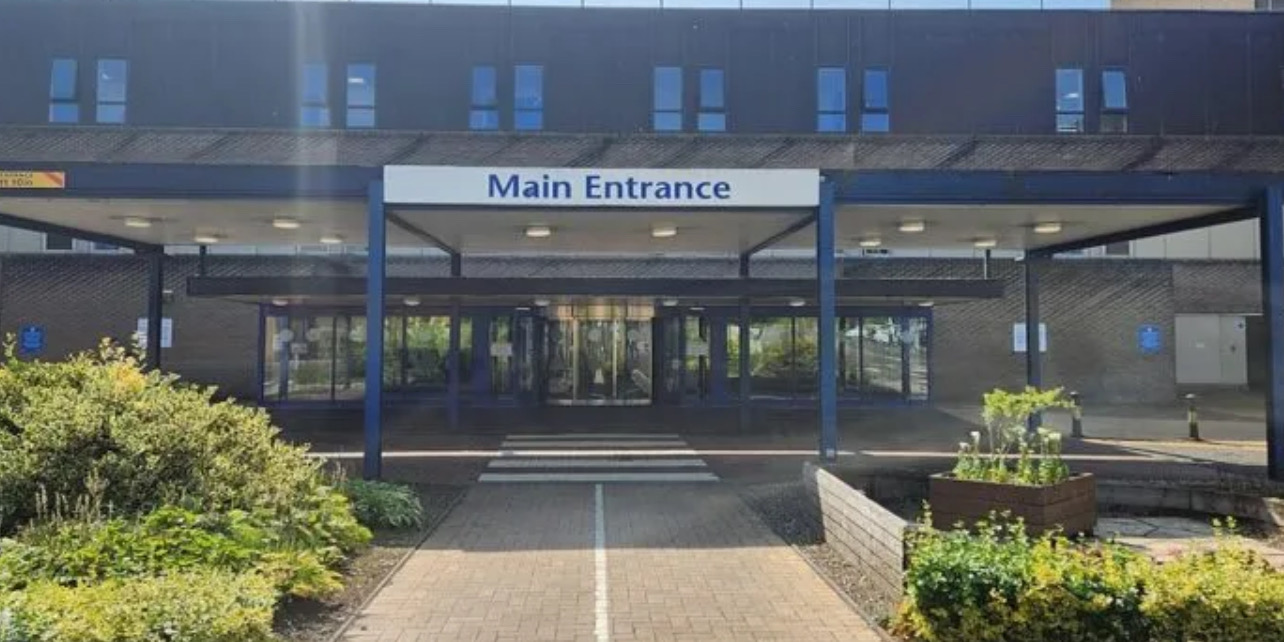
NHS Scotland is facing mounting criticism as new data and patient experiences highlight a system under severe strain.
While frontline staff continue to work under extreme pressure, patients and campaigners increasingly point to structural failures, excessive bureaucracy and chronic delays as key drivers of declining care standards.
The Scottish Household Survey shows that in 2024 only 61 per cent of people in Scotland said they were satisfied with the quality of healthcare they received. That means nearly four in 10 patients are now dissatisfied, a figure that reflects growing frustration across the country.
For many, the problems begin with access to basic care. Long waits for GP appointments and overcrowded accident and emergency departments have become routine, leaving patients feeling ignored, exhausted and demoralised.
Patients report waiting six hours or more to be seen in A&E, while securing a GP appointment has become increasingly difficult. Early morning phone queues, limited availability and delayed call-backs have created a system that many describe as impersonal and draining.
For people in pain or distress, the process can feel like an obstacle course rather than a gateway to care. Staff are under pressure, patients feel like they are pleading for help, and many now avoid seeking treatment altogether because the experience has become so exhausting.
Serious concerns are also being raised about prolonged waits for hospital procedures. In some cases, patients are being treated repeatedly with temporary measures rather than receiving definitive surgery. Long-term reliance on stop-gap treatments has left many living with chronic pain, repeated infections and deteriorating quality of life.
Critics argue that delays to routine and necessary operations are no longer isolated incidents but symptoms of a wider system failure. Patients are being left in limbo for years while their conditions worsen, placing further strain on families and carers.
Scotland’s health service is now widely described as being in crisis. Workforce shortages, staff burnout and early retirements among experienced doctors and nurses are compounding the problem. Healthcare professionals are stretched to breaking point, while patients face ever-longer waits for diagnosis, treatment and surgery.
There are now nearly 820,000 ongoing waits across inpatient, outpatient and diagnostic services in Scotland. This scale of backlog is having a direct impact on public confidence and driving more patients to seek private treatment at their own expense.
Despite repeated pledges to reform and invest, many patients feel that political responses have failed to match the urgency of the situation. Scotland is not a low-income country, yet its health outcomes and access to care are increasingly being questioned.
Rising dissatisfaction has also become a wider political issue, with concerns that anger over healthcare failures is feeding deeper public disillusionment and frustration. For patients living in chronic pain or facing life-altering delays, policy debates offer little comfort while they remain stuck on waiting lists.
Campaigners argue that NHS Scotland must prioritise core healthcare delivery over costly distractions and secondary policy battles. With emergency departments overcrowded and waiting times at record levels, many believe resources should be focused on improving access, speeding up treatment and supporting overstretched staff.
At a time when patients are waiting up to 12 hours in A&E and years for essential procedures, critics say the health service cannot afford to divert funding and attention away from frontline care.
The growing backlog, workforce crisis and falling patient satisfaction point to the need for urgent reform of NHS Scotland. Without decisive action to reduce waiting times, improve access to GPs and support exhausted staff, public trust in the health service is likely to continue to erode.
For thousands of patients across Scotland, the issue is no longer about minor inconvenience. It is about pain, lost quality of life and a healthcare system that many now feel is no longer delivering what they need.