
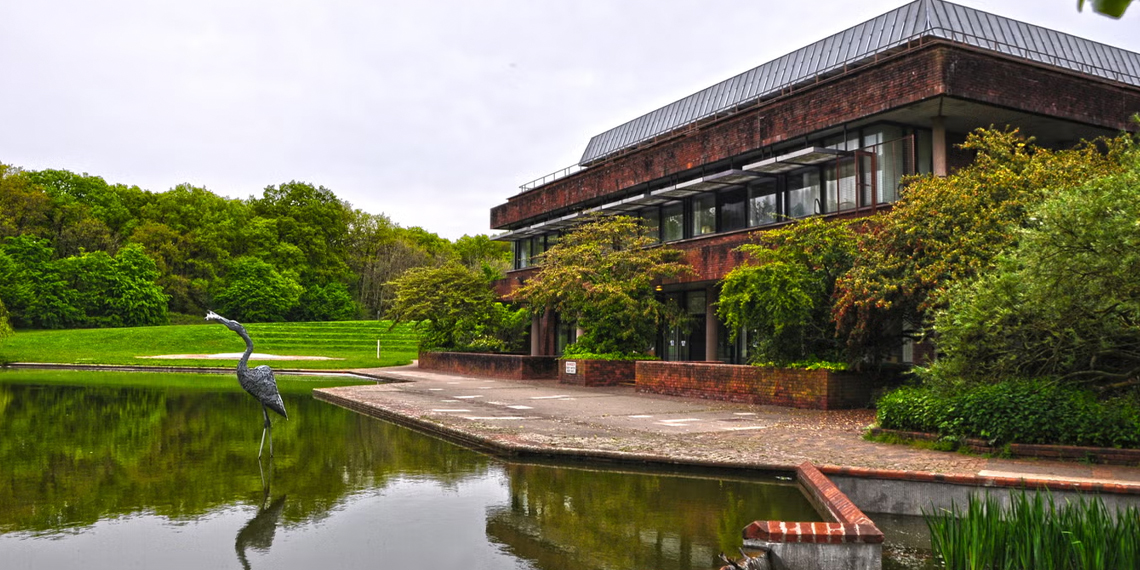
Worcestershire County Council, led by Reform UK, is set to introduce the largest council tax increase in England this April, after receiving government approval to raise rates by up to 9 per cent – despite the party’s earlier pledge to cut taxes.
The council applied for exceptional financial support following warnings from its newly appointed head of strategic delivery, operations, governance, and efficiency, who described the authority as facing a “financial emergency”.
Worcestershire is among seven councils granted permission to exceed the standard 5 per cent cap. Local Government Minister Alison McGovern confirmed in a written statement on Monday that Worcestershire, Shropshire, and North Somerset councils may increase their share of council tax by a maximum of 9 per cent.
Other councils granted higher-than-usual rises include Trafford, Warrington, and Windsor and Maidenhead, allowed up to 7.5 per cent, while Bournemouth, Christchurch, and Poole can increase their share by 6.75 per cent under the three-year local authority settlement.
Reform UK holds just 25 of the 57 seats on Worcestershire County Council, meaning it operates a minority administration and must rely on support from other parties to pass its budget. The council recently hosted Reform UK chair Zia Yusuf and his national “Doge” team, a cost-cutting group inspired by Elon Musk, tasked with reviewing council spending.
Following the announcement, Worcestershire Conservatives criticised the party online: “Back in May, Reform promised to cut your taxes. Today Labour gave them power to raise your tax by up to 9 per cent.” A petition calling for a U-turn has been launched.
Over the weekend, Redditch East councillor Daniel Taylor resigned from Reform UK in protest, choosing to sit as an independent member due to the planned tax rise.
The council has cited rising costs and demand for children’s and adult social care as the main pressures behind the increase. Councillor Rob Wharton, cabinet member for finance, stated that every 1 per cent rise in council tax would generate an additional £3.6 million, which he described as “vital for sustaining statutory services”.
Wharton also highlighted that Worcestershire residents still pay some of the lowest council taxes in the country. The council’s initial draft budget for the next three years planned a 5 per cent increase, but government flexibility has prompted an extraordinary cabinet meeting to consider the full 9 per cent rise.
Ms McGovern defended the decision, noting that local government finance reforms “get money to where it is needed” but acknowledged that some councils face ongoing challenges due to legacy issues. She emphasised that the extra flexibility is “a limit, not a target” and that final council tax decisions rest with local authorities.
Other Reform-led councils are also planning rises. Kent County Council has proposed a 3.99 per cent increase, while Derbyshire, North Northamptonshire, West Northamptonshire, and Leicestershire are considering 5 per cent hikes.
The Independent has contacted Worcestershire County Council and Reform UK for comment.