
Families whose asylum claims have been rejected could receive up to £40,000 to leave the UK voluntarily under new immigration measures announced by the Government.
The plan forms part of a wider crackdown on migration unveiled by Home Secretary Shabana Mahmood, who said tougher policies were needed to restore public confidence in the immigration system.
Under a new pilot scheme, families of failed asylum seekers will be offered £10,000 per person — up to a maximum of £40,000 — if they agree to return to their home country voluntarily.
The financial support is expected to be issued through prepaid debit cards that can be used once families arrive in their country of origin. The Government will also cover the cost of flights.
Officials argue the programme will save taxpayers money, as the cost of housing failed asylum seekers and later removing them by force often exceeds the financial incentives offered for voluntary departure.
Families who decline the offer could face deportation.
As part of the policy changes, new legislation will allow immigration officers to physically restrain children during deportations if necessary — a move that has sparked criticism from some MPs and campaigners.
In a speech outlining the reforms, Mahmood defended the Government’s approach, insisting the measures reflect “Labour values”.
She warned that controlling migration is essential to rebuilding public trust, saying: “A loss of control breeds fear and when fearful, people turn inwards.”
The new policy is part of a broader strategy by the Home Office aimed at reducing both legal and illegal immigration.
Additional measures announced include:
• Withdrawing state support from asylum seekers who have other financial means
• Regular reviews of refugee status to assess whether it is safe for individuals to return home
• Restrictions on visa applications from countries that generate high numbers of asylum claims
The Government also plans to deny UK visas to anyone convicted of a criminal offence that resulted in a prison sentence of at least one year, including suspended sentences.
According to data from the Office for National Statistics (ONS), net migration fell sharply to 204,000 between July 2024 and June 2025 — a drop of 69%.
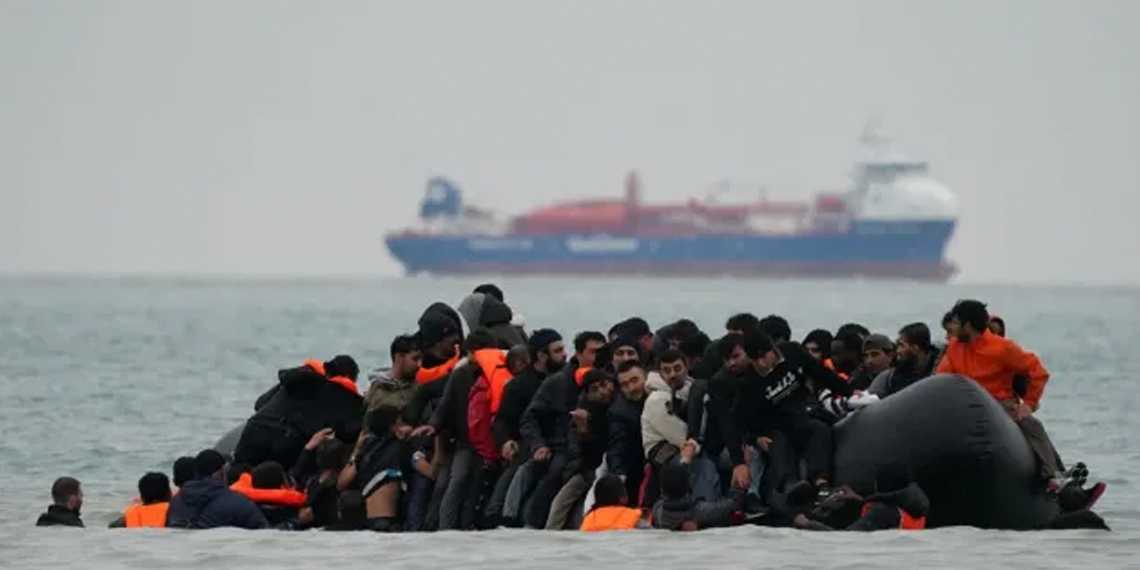
However, irregular migration across the English Channel remains a major political issue.
Government figures show that 41,262 people crossed the Channel in small boats last year, a 13% increase compared with the previous year, though still below the peak of 45,774 recorded in 2022.
The new measures are expected to intensify debate over the balance between immigration control, humanitarian responsibilities and the rights of asylum seekers in the UK.