
British holidaymakers, including a couple stranded in the Maldives with a hotel bill expected to reach £12,000, say they are unable to return home after flights were cancelled when the US–Israeli war with Iran erupted.
The conflict has disrupted air travel across the Middle East, with missile strikes forcing airlines to suspend or reroute flights through several major hub airports, leaving many UK travellers stuck overseas.
Some passengers now face significant costs for accommodation, food and essentials while they wait for alternative flights, and many are unsure whether their travel insurance will cover the unexpected expenses.
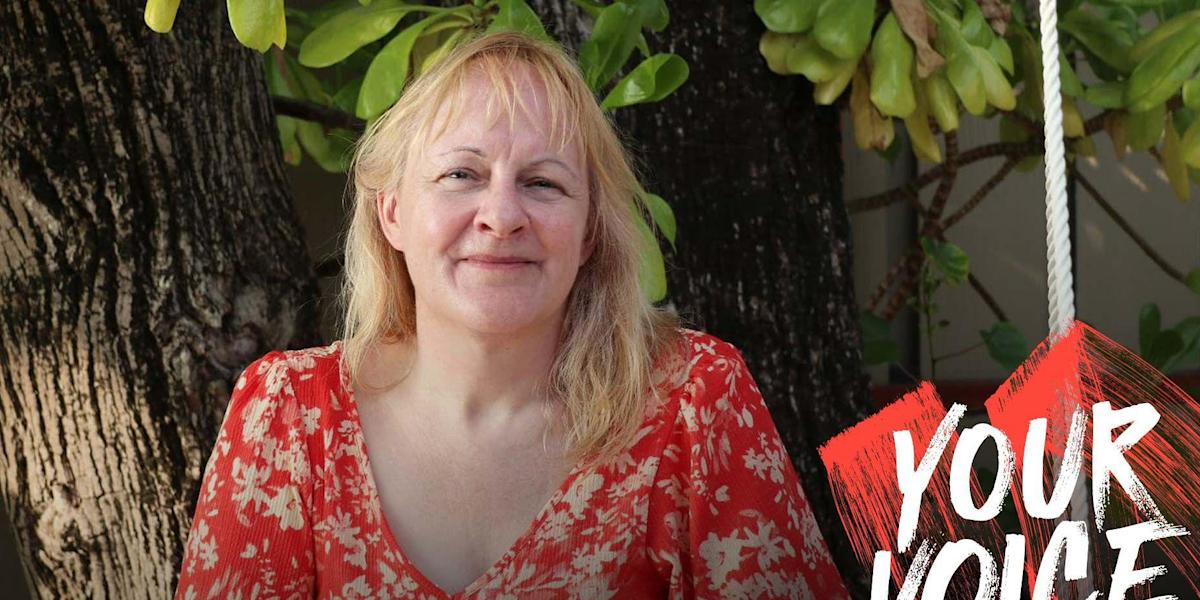
Andrea Pendrey and her partner had been holidaying in the Maldives before she was due to return to the UK to begin treatment for breast cancer. Their flight home was scheduled for Sunday 1 March, just hours after the conflict began. When they arrived at the airport, they discovered their flight had been cancelled.
“Emirates just told us we need to find a room, at our own cost and the airport was filling up with more and more people,” Andrea said.
The couple eventually managed to secure accommodation at a resort, but the extended stay has come at a significant cost. “We reckon we’ll have forked out an extra £12,000 by the time we leave,” she said.
The financial strain has been particularly difficult as Andrea revealed that her partner had lost his job shortly before the trip. “The money is stressing me out… We’ve just had to put it on a credit card,” she said.
Andrea was also due to begin cancer treatment in the UK last Thursday. “I’m trying not to think about it too much. I need to get home for my chemo. It’s not helping being here,” she said.
For nearly a week, the couple spent hours each day trying to rebook onto alternative flights without success. Eventually, Andrea’s insurance company classified her situation as a medical emergency, and they are now expected to return to the UK via Frankfurt.
“Even though this place is paradise, we’ve been crying and feel really upset,” she said.
Ashley Jones, 26, and his partner Trang Nguyen, 25, were also caught up in the travel disruption while on a two-week holiday in Thailand, visiting Koh Samui and Bangkok. Their return flight to the UK was cancelled after the conflict escalated.
“The outbreak of war ruined the last week of our holiday,” Ashley said. “We started panicking about how we’d get home and fearing we’d run out of money.”
The couple from Crawley in West Sussex were due to fly home on Sunday, but British Airways informed them that alternative flights were fully booked until 28 March. Ashley eventually accepted a rescheduled flight scheduled for Friday morning, though he remains uncertain whether it will depart.
“It feels dodgy… I don’t want to go via Muscat and have a two-hour layover — it’s a war zone,” he said, adding that the UK Foreign Office advises against travel to Oman.
Ashley said attempts to get assistance from his airline, travel agent and insurance company proved frustrating. “They all passed the buck,” he said. “We were essentially homeless.”
The couple managed to extend their stay thanks to financial support from family members, though both families remain concerned about them travelling through the Middle East.
Debbie and Ardon Rainbird, retirees from North Yorkshire, have also been unable to return home as planned. The couple flew from Manchester on 17 February for what was meant to be a two-week tour of Sri Lanka.
They were scheduled to fly back to the UK on 3 March via Doha in Qatar, but their flight was cancelled when the conflict began.
“Ultimately we’ve been away for a month when we were supposed to be away for two weeks,” Debbie said.
They are currently staying in a basic hotel costing around $160 per night for dinner, bed and breakfast, and have been washing their clothes by hand. Around 20 travellers from the same tour group are facing similar uncertainty.
“Few of us can find out if we are covered on insurance and only receive auto replies to any questions. We all miss our loved ones and wish to return home,” Debbie said.
During the extended stay, Debbie developed a respiratory tract infection and had to pay for medical treatment, while some older travellers had to buy medication after running out.
Despite the difficulties, Debbie said the group has tried to remain positive. She has been organising quizzes for fellow travellers, while another member of the group has been leading daily Tai Chi sessions.
Their tour operator, Distant Journeys, has now arranged a charter flight expected to depart on Sunday night, although the exact time has not yet been confirmed.
“The flight hasn’t been confirmed and we don’t know the time but we are keeping everything crossed,” Debbie said.