
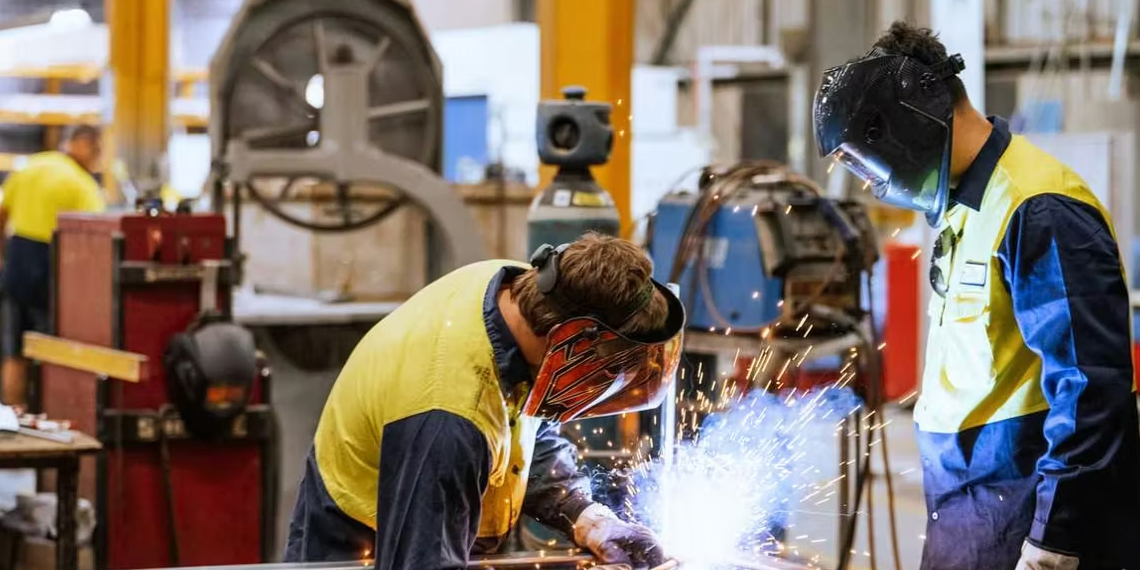
Britain’s manufacturing sector faces fresh pressure as changes to business rates come into effect, with industry leaders warning the reforms could cost firms nearly £1 billion and put thousands of jobs at risk.
New research from Make UK indicates that factories will pay an extra £939 million in business rates this year following reforms introduced under Chancellor Rachel Reeves. The changes, which took effect in April, form part of a wider review of how commercial properties are taxed.
Manufacturers say the impact is stark. Many firms are already grappling with rising energy costs and higher wages, and with limited room to increase prices in a sluggish economy, companies may be forced to cut costs elsewhere — particularly through job reductions. Make UK estimates that up to 25,000 roles could be at risk.
At the centre of the debate is the way business rates are calculated. The tax is based on a property’s “rateable value”, essentially the rent it could command. Large factories tend to occupy bigger spaces, meaning higher tax bills even when revenues are comparable to smaller businesses in other sectors. Industry estimates show manufacturing sites represent more than 20% of total rateable property value across England and Wales, while contributing around 10% of economic output.
Verity Davidge of Make UK said the system is “outdated” and disproportionately penalises manufacturers. The latest reforms make the imbalance worse, with properties valued above £500,000 now facing higher rates, pushing many factories into costlier brackets.
The changes may also have unintended consequences. Investments in energy-saving measures, such as solar panels, could increase a site’s value — and its tax bill — discouraging firms from pursuing green upgrades.
The timing of the hike is also controversial. Manufacturers are already dealing with a £12.71 minimum wage and rising energy prices caused by global tensions. Economists have warned that international conflicts, particularly in the US, Israel, and Iran, could put up to 100,000 UK jobs at risk through higher costs and weaker business conditions.
Make UK has called on the government to reconsider the approach. Recommendations include linking business rates to turnover, ensuring the system reflects actual performance, and giving companies at least 12 months’ notice before reforms take effect.
The government maintains that its wider strategy supports business growth, highlighting a £4.3 billion relief package to limit bill increases, a cap on corporation tax at 25%, and energy cost reductions for thousands of firms.
For now, manufacturers remain caught between policy intent and practical impact. The sector is crucial to the UK economy, but with costs rising, the key question is whether companies can absorb the increases — or whether job losses will follow.