
Protests over rising fuel prices in Ireland have entered a third day, with escalating disruption as demonstrators block key roads, depots and energy infrastructure.
The unrest comes as the Irish Government faces mounting pressure over its response to soaring fuel costs driven by global supply disruptions linked to tensions in the Strait of Hormuz.
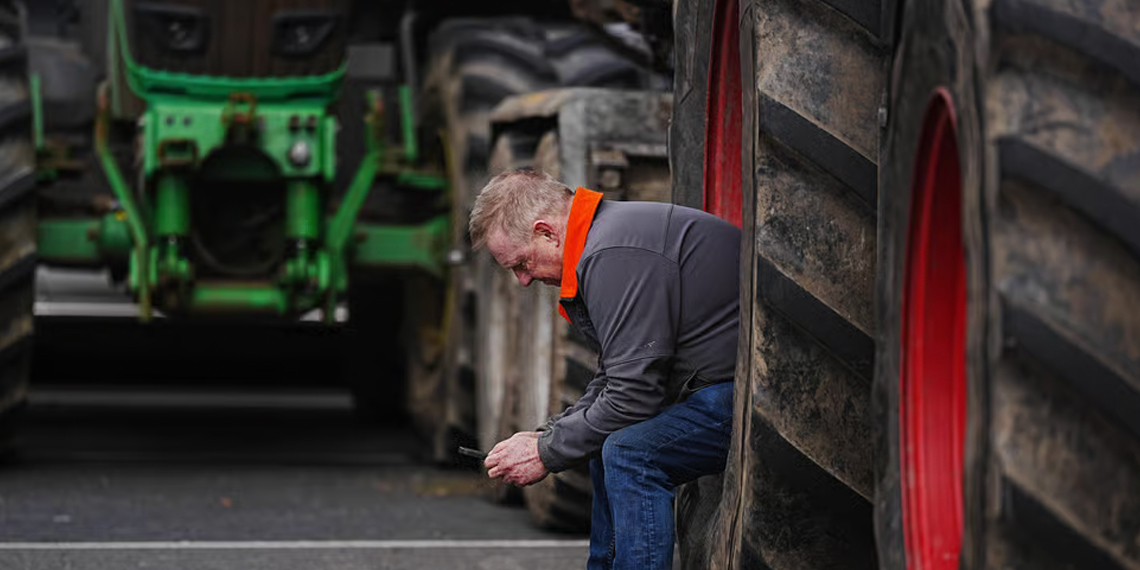
Protesters, including hauliers and agricultural workers, have staged coordinated actions across the country, using trucks and tractors to slow traffic and block major routes.
Demonstrations intensified with the blockade of the Whitegate oil refinery in Cork, prompting a strong response from Micheál Martin.
He described the action as “an act of national sabotage” and warned that such disruption was “not acceptable”.
Major roads in Dublin, including O’Connell Street, were severely affected, with vehicles brought to a standstill and public transport disrupted.
Emergency services, including An Garda Síochána and Dublin Fire Brigade, reported delays in responding to incidents.
There have also been reports of members of the public missing hospital appointments due to traffic disruption.
Industry leaders have warned that the protests could begin to affect fuel availability.
Kevin McPartland, chief executive of Fuels for Ireland, said blockades at depots in Limerick and Galway posed a risk to petrol station supplies.
The government recently introduced measures to ease fuel costs, including temporary reductions in excise duty and expanded support schemes.
However, rising global prices have largely offset these savings, fuelling frustration among protesters.
Protest representatives have called for direct talks with ministers to resolve the dispute.
Spokesman John Dallon said: “These people are not going to lie down.”
He added: “The only way they will go off of the streets here is if we send a message back to them that we have a meeting.”
Government officials said they would continue engaging with representative groups while keeping the situation “under review”.