
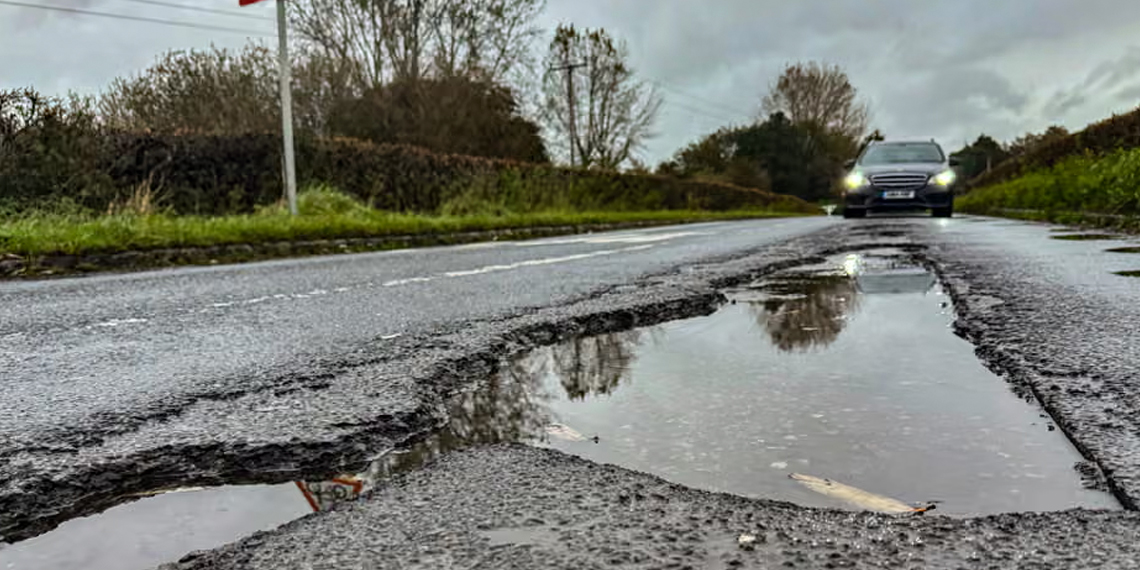
Drivers choosing larger vehicles are fuelling the growing SUVs potholes UK crisis, with experts warning that heavier cars are accelerating road damage even as motorists turn to them to cope with deteriorating surfaces.
New research suggests that hundreds of thousands of drivers are opting for SUVs and heavier vehicles specifically to navigate pothole-ridden roads, creating a cycle in which the solution is contributing to the problem.
Scientists and transport specialists say the rising weight of modern vehicles, particularly SUVs, is placing additional strain on road infrastructure, worsening wear and tear and increasing long-term repair costs across the UK.
Surge in SUV Sales Linked to Poor Road Conditions
SUVs accounted for more than half of the 2 million new cars sold in the UK last year, alongside a growing share of the 7 million secondhand vehicles purchased.
Polling conducted by Opinium for Kwikfit found that nearly one in eight drivers in regions such as London and Yorkshire said road conditions influenced their decision to buy a larger or heavier vehicle.
Across the UK, 6% of drivers said they had bought or considered buying an SUV primarily due to potholes and road damage, with that figure doubling among motorists who had already experienced vehicle damage.
The findings highlight how poor road conditions are reshaping consumer behaviour in the automotive market.
Experts Warn SUVs Are Making Potholes Worse
Despite their perceived durability, experts say SUVs contribute to the very road damage drivers are trying to avoid.
Ali Rahman, a civil engineering specialist at the University of Leeds, said heavier vehicles increase stress on road surfaces.
He explained that higher axle loads lead to greater surface strain, accelerating crack formation and road deterioration, particularly in urban areas where infrastructure was not designed for heavier passenger vehicles.
Heavier Vehicles Increase Road Wear
Transport researchers say SUVs typically weigh between 200kg and 300kg more than smaller cars such as hatchbacks and sedans.
Anna Goodman of the London School of Hygiene and Tropical Medicine said SUVs exert significantly more force on roads.
She noted that a typical SUV can apply around five times more stress to road surfaces than a standard passenger car.
The proportion of SUVs on English roads has risen sharply over the past two decades, increasing from around 3% to more than 30%, contributing to rising maintenance pressures.
Cumulative Impact Becoming Significant
Christian Brand from Kellogg College, Oxford said that while heavy goods vehicles still cause the most immediate damage, the rapid growth of SUVs means their cumulative impact is becoming increasingly important.
He warned that the effect is particularly noticeable on urban roads, which are often built with lighter construction standards and are more vulnerable to sustained stress from heavier traffic.
The Institution of Civil Engineers has also identified heavier vehicles, including electric cars, as a contributing factor in pothole formation and reduced road lifespan.
Pothole Repair Costs Reach Record Levels
The scale of the problem is reflected in rising repair costs.
According to the Asphalt Industry Alliance, the cost of fixing potholes and maintaining local roads in England and Wales has reached a record £18.6 billion.
Experts say prolonged wet winters, combined with freezing and thawing cycles, remain the primary cause of potholes, but heavier traffic loads are accelerating the rate at which roads deteriorate.
Policy Response and Potential SUV Charges
Authorities are increasingly exploring policy responses to the issue.
Transport for London is studying the impact of large SUVs on road safety, congestion and infrastructure wear.
The office of Sadiq Khan has indicated that additional charges for larger vehicles could be considered as part of broader efforts to manage their impact.
Officials say research is ongoing into how the growing size and weight of vehicles affects the condition of London’s roads.
Drivers Face a No-Win Situation
Motoring groups say drivers are caught in a difficult position.
Steve Gooding said the poor condition of roads is pushing motorists towards larger, more robust vehicles better suited to handling potholes.
However, Jack Cousens warned that no vehicle is immune to pothole damage, regardless of size or design.
He said potholes remain a widespread issue affecting all drivers, highlighting the need for long-term investment in road maintenance rather than reliance on vehicle choice as a workaround.
Changing Vehicle Trends and Infrastructure Pressure
The rise in SUV ownership reflects broader global trends, with consumers favouring larger vehicles for perceived safety, comfort and durability.
At the same time, the transition to electric vehicles—many of which are heavier due to battery weight—is adding further pressure on ageing road infrastructure.
Transport experts say the combination of heavier vehicles, increased traffic volumes and underinvestment in road maintenance is creating a structural challenge that will require coordinated policy, funding and infrastructure upgrades to resolve.