
The conflict in Iran has driven up energy costs in the UK, with more than £270 million paid out in recent weeks to manage disrupted electricity supply, including shutting down wind farms and relying on gas-powered alternatives.
Data analysis shows that around £55 million has been paid to wind farm operators to switch off turbines since strikes began on 28 February, while a further £217 million has been spent on replacement energy, primarily from gas-fired power stations.
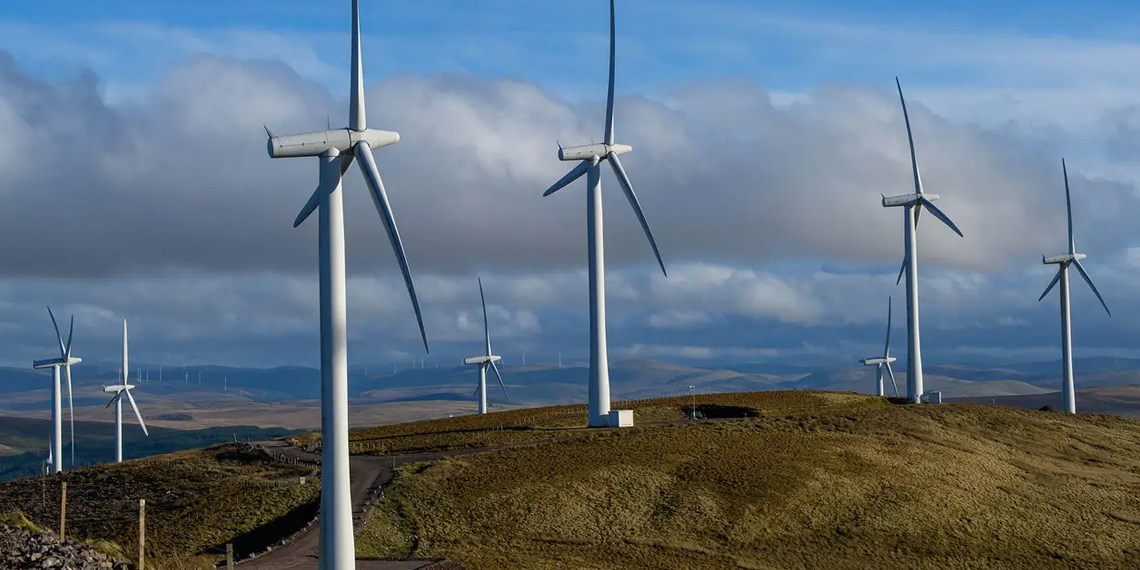
These payments, known as constraint payments, are made when the electricity grid cannot handle excess renewable energy, particularly from wind farms in Scotland and northern England. To prevent overload, operators are paid to reduce output, while alternative energy sources are ramped up elsewhere.
The system has come under increasing criticism, with industry figures describing it as inefficient and outdated. Payments over the six-week period from 1 March to 6 April were about 90% higher than the same period last year, largely due to rising gas prices linked to global tensions.
In some cases, wind farms are being paid significant sums to stop generating electricity. The Seagreen offshore wind farm in the North Sea was switched off for around 63% of the time it could have generated power in 2025, receiving more than £30 million in constraint payments.
Similarly, the Viking onshore wind farm in Shetland was paid roughly £10 million after being unable to generate electricity for around 65% of the time last year.
Energy firm Octopus has criticised the system, warning that it is inefficient to invest heavily in renewable energy infrastructure only to pay operators not to produce electricity due to grid limitations.
The National Energy System Operator (NESO) has warned that constraint payments could rise sharply in the coming years, potentially reaching nearly £8 billion annually by 2030. This could add more than £100 a year to household energy bills if no action is taken.
Industry leaders say the core issue is the lack of investment in grid infrastructure. While the UK has expanded its wind power capacity rapidly, the transmission network has not kept pace, creating bottlenecks in energy distribution.
RenewableUK has called for urgent upgrades to the national grid to reduce reliance on constraint payments and improve efficiency. Expanding transmission capacity and investing in energy storage are seen as key solutions to balancing supply and demand.
Despite the challenges, renewable energy continues to grow in the UK. Official figures show that renewables generated a record 52.5% of the country’s electricity in 2025, marking the second consecutive year above 50%.
The government says it is addressing the issue by investing in grid improvements to reduce long-term costs. Officials also highlight efforts to cut constraint payments, which have already saved consumers an estimated £1.2 billion.
However, with global energy markets under pressure and infrastructure upgrades still ongoing, the cost of managing the UK’s energy system remains a growing concern for both industry and households.