
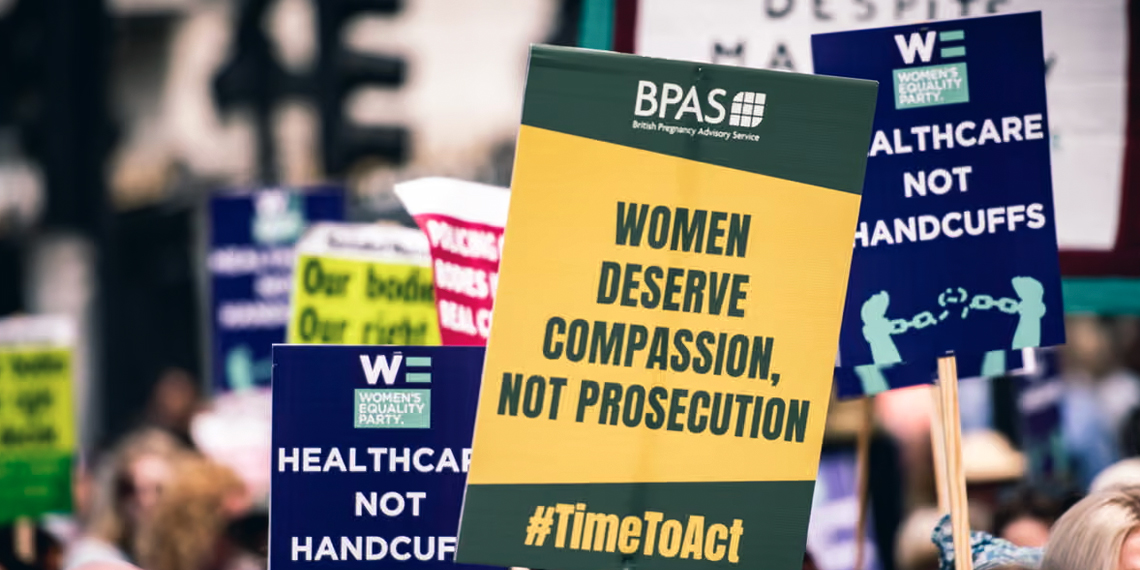
A landmark piece of legislation to pardon women convicted of illegal abortions has cleared its final stage in Parliament, paving the way for a major legal reform in England and Wales.
The amendment to the crime and policing bill will not only grant automatic pardons but also expunge police records of those arrested or investigated under outdated abortion laws.
The bill, which has passed through both the House of Commons and the House of Lords, is expected to receive royal assent in the coming weeks.
It will also end prosecutions of women who terminate their own pregnancies, marking a significant shift in how abortion-related cases are treated under the law.
Labour MP Tonia Antoniazzi, who introduced the clause, welcomed the move.
“I’m very pleased that parliament has approved a protection for women already harmed by outdated criminal law related to abortion. This will mean a great deal to these women who have been through an awful ordeal,” she said.
She added: “Automatic pardons for convictions or cautions, and expunging the records of arrests and investigations, will enable these women to participate fully in society again… They can move through life without this hanging over them in the form of a record.”
Research shows that prosecutions of women for abortion have been relatively rare historically but have increased in recent decades.
Cases dating back to the 19th century highlight the harsh consequences women faced under earlier laws, including imprisonment for seeking or attempting to procure abortions.
The new legislation aims to correct these historical injustices by formally clearing convictions and removing barriers for affected women.
Despite broad support for the reform, concerns remain about women currently under investigation.
Antoniazzi urged authorities to act swiftly, stating: “Parliament has been clear that no woman should be criminalised for abortion and this is now set to become law.”
She added: “The police and CPS must hear that and stop current investigations… is, frankly, ludicrous.”
Supporters of the law say it will allow affected women to rebuild their lives without the burden of criminal records, improving access to employment and social opportunities.
The reform is also seen as a step towards modernising the legal framework around reproductive rights in England and Wales.
As the legislation moves towards becoming law, it represents a significant milestone in addressing past injustices and reshaping the future of abortion law in the UK.