
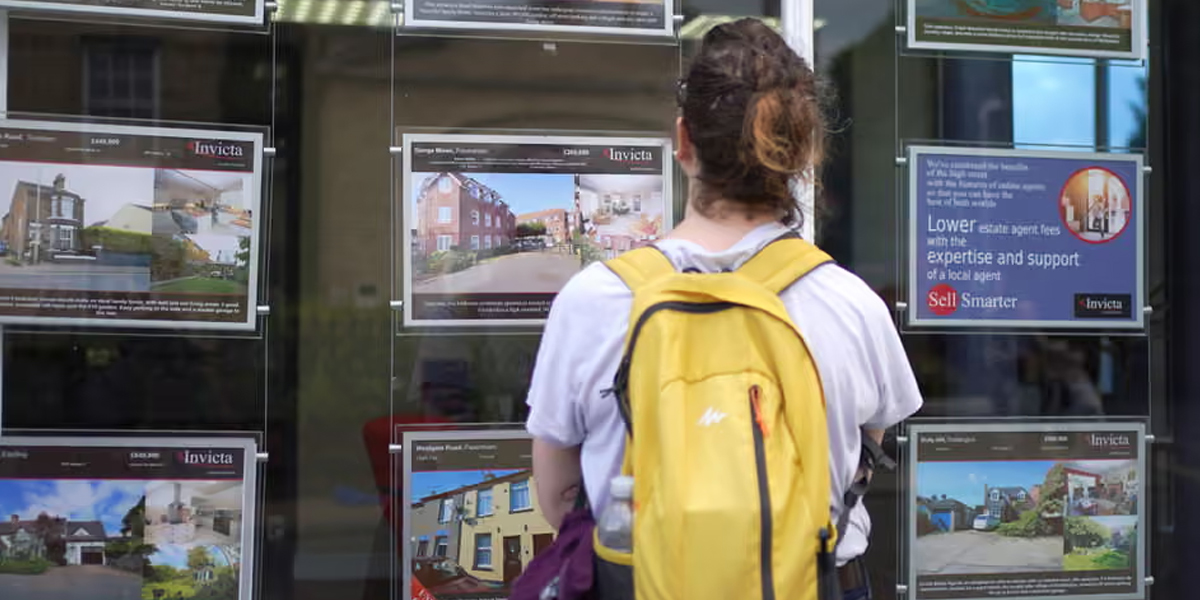
UK homebuyers are experiencing the most severe mortgage affordability pressures in nearly two decades, with repayments consuming a growing share of household income, according to new industry data.
Figures from UK Finance show that in 2025, typical initial mortgage repayments accounted for 21.3% of a buyer’s gross income — the highest level recorded since the global financial crisis in 2008.
Mortgage Costs Put Pressure on Household Budgets
The data highlights how rising house prices and borrowing costs have made home ownership increasingly difficult for many buyers.
Mortgage affordability has worsened significantly in recent years, with buyers now dedicating a larger proportion of their income to repayments, leaving less room for other household expenses.
Analysts warn that economic uncertainty and global developments could further increase borrowing costs, adding to the strain on prospective homeowners.
Regional Differences Reveal Uneven Impact
Despite the national trend, affordability varies widely across the UK.
Some of the least affordable areas include parts of the London commuter belt and south-east England, where high property prices push repayment levels above 25% of income.
Locations such as Hillingdon in west London and north Norfolk are among the most challenging for buyers, alongside towns including Luton, Slough and Harlow.
In contrast, several areas in Scotland remain more affordable, with buyers in regions such as East Ayrshire and Inverclyde typically spending around 17% of their income on mortgage repayments.
High-Income Areas Skew Affordability Data
The City of London appears among the most “affordable” areas in the analysis, a result driven by the high incomes of buyers able to purchase property in the area.
Experts note that this reflects the earnings profile of buyers rather than lower property prices, as the City remains one of the most expensive housing markets in the UK.
Rising Interest Rates and Global Events Add Pressure
Mortgage affordability has been further affected by rising interest rates and global economic developments.
Recent geopolitical tensions, including conflict in the Middle East, have contributed to increased borrowing costs, with many lenders repricing mortgage deals.
Although some fixed-rate mortgage products have begun to ease slightly in recent weeks, buyers still face significantly higher costs compared with previous years.
Housing Market Activity Remains Strong
Despite affordability challenges, demand for mortgages has remained resilient.
In 2025, lenders approved around 723,000 mortgages for house purchases, marking a 17% increase compared with the previous year.
This suggests that while conditions are difficult, many buyers are continuing to enter the market, often driven by necessity or long-term investment considerations.
Long-Term Housing Affordability Challenges
The UK housing market has faced persistent affordability issues for more than a decade, driven by a combination of rising property prices, limited housing supply and fluctuating interest rates.
Following a period of low borrowing costs after the 2008 financial crisis, recent increases in interest rates have significantly altered the landscape for buyers.
At the same time, saving for deposits remains a major barrier, particularly for first-time buyers.
Outlook for UK Homebuyers
Experts say affordability pressures are likely to remain a key challenge in the near term, particularly if interest rates stay elevated or economic uncertainty continues.
However, any sustained decline in mortgage rates could provide some relief to buyers, improving access to the housing market.
As policymakers and industry leaders look to address housing supply and affordability, the issue is expected to remain central to the UK’s economic and political agenda.