
Two Sudanese asylum seekers have launched a legal challenge against new UK government plans to reduce refugee protections, arguing the proposed changes are discriminatory and could seriously harm vulnerable people fleeing war and persecution.
The case marks the first major legal challenge to Labour’s proposed overhaul of the asylum system, which would significantly reduce the length of time refugees are allowed to remain in the UK before becoming eligible for permanent settlement.
Refugees Could Wait 20 Years for Settlement
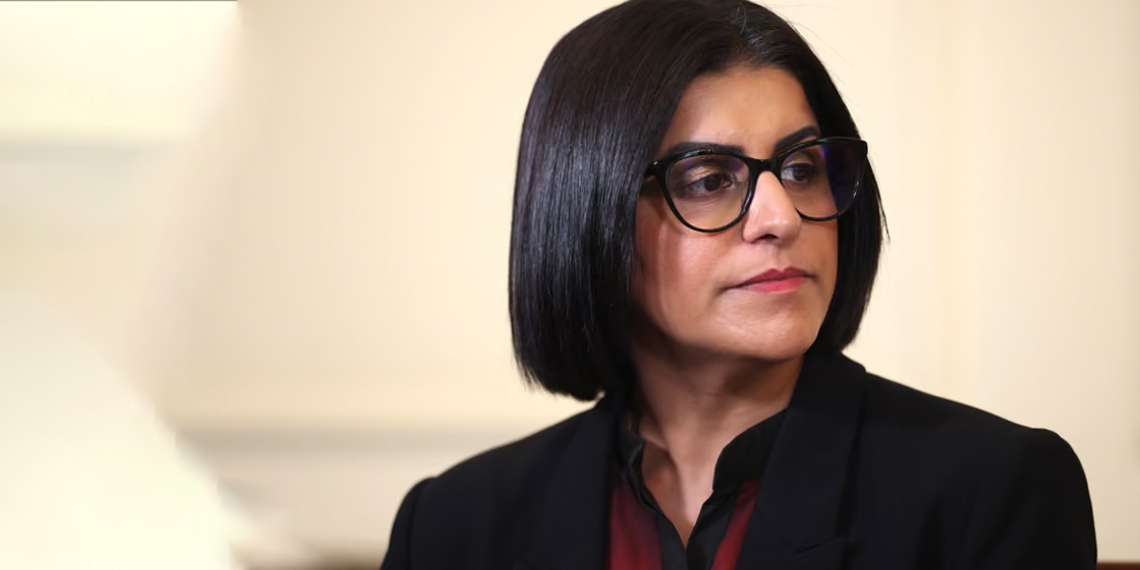
Under the proposed reforms announced by UK Home Secretary Shabana Mahmood, refugees granted protection in Britain would receive only 30 months of leave to remain at a time instead of the current five-year period.
The changes would also extend the route to permanent settlement from five years to 20 years, meaning refugees would face repeated reviews of their immigration status over two decades.
Critics argue the policy would create long-term insecurity for people already traumatised by conflict, torture and displacement.
Sudanese Claimants Say Policy Is Discriminatory
The two Sudanese asylum seekers bringing the challenge say they continue to suffer nightmares and flashbacks linked to torture and violence in Sudan.
Their legal representatives argue the policy unfairly targets refugees despite evidence showing that the overwhelming majority of Sudanese asylum claims are approved in the UK.
According to official figures, 96% of Sudanese asylum applications in 2025 resulted in protection being granted.
Lawyers for the claimants say the reforms would fail to deter asylum seekers while increasing mental health pressures and instability for recognised refugees.
Home Office Accused of Targeting Refugees
In a policy paper published in late 2025, Mahmood argued that some refugees move across Europe in search of the most favourable asylum system, describing the practice as “asylum shopping”.
The comments sparked criticism from refugee groups and legal organisations, who accused the government of using hostile rhetoric toward people fleeing conflict and persecution.
The legal challenge argues that the government’s approach risks undermining refugee integration and social cohesion while placing additional burdens on the asylum system itself.
UN Refugee Agency Raises Concerns
The United Nations High Commissioner for Refugees criticised the proposed reforms shortly after they were announced.
The agency warned that shortening refugee leave periods would increase uncertainty for vulnerable families and create additional administrative pressures for the UK asylum system.
It also said repeatedly reassessing refugee status could damage refugees’ sense of safety, belonging and long-term stability.
Under the proposed system, refugees on the “core protection” pathway could have their status reviewed eight separate times before becoming eligible for settlement.
Family Reunion Rights Also Tightened
The reforms would also make it more difficult for refugees to bring close family members to the UK.
Current rules allowing spouses and children under 18 to join recognised refugees would be restricted, with applicants expected to prove they can financially support relatives before reunification is approved.
Campaigners say the proposed restrictions risk separating families for years and increasing hardship for refugees rebuilding their lives in Britain.
Evidence From Other Countries Questioned
Lawyers challenging the policy pointed to evidence from countries including Australia and Denmark, where temporary refugee protection systems faced criticism over their impact on mental health and social integration.
While refugee protections can technically be withdrawn, such decisions are rare in practice because many conflicts and humanitarian crises continue for years.
Statistics from European countries show only a small number of refugee protections are later revoked annually.
Legal experts argue this weakens the government’s claim that repeated reassessments are necessary.
Pressure Grows Over UK Asylum Policy
The case comes amid growing political debate over migration and asylum policy in the UK, with Labour under pressure to reduce small boat crossings and tighten border controls.
The government has argued the reforms are intended to restore confidence in the immigration system and ensure asylum protections are reserved for those most in need.
Human rights organisations, however, warn the proposals could increase poverty, worsen mental health outcomes and create long-term uncertainty for refugees already escaping war and persecution.
The Home Office has not yet publicly responded to the legal challenge.