
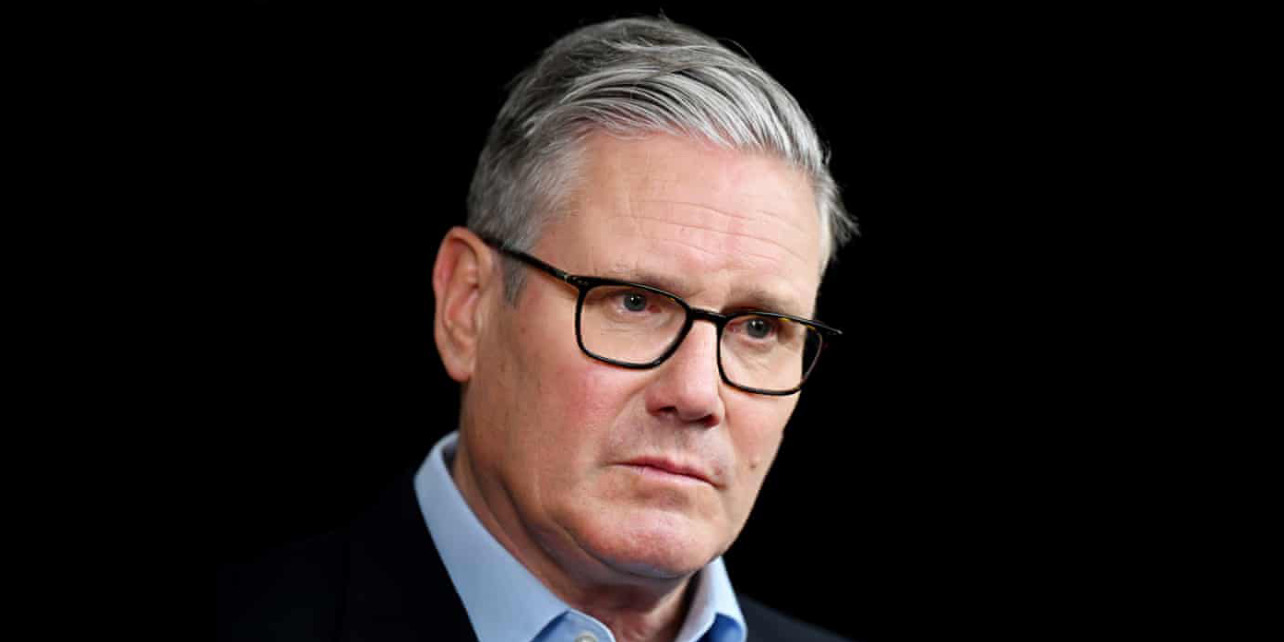
British Prime Minister Keir Starmer is facing growing pressure from within the Labour Party after devastating local and regional election losses triggered fresh doubts over his political future and the government’s direction less than two years after taking power.
The elections, held across England, Wales and Scotland, delivered a major setback for Labour, with the party losing more than 1,400 council seats and suffering significant defeats in areas traditionally considered strongholds. The results have intensified internal debate within Labour over whether Starmer can recover politically before the next UK general election.
Labour Suffers Major Electoral Blow
The local elections marked the largest nationwide political test since Labour returned to government in 2024 after years in opposition. Early expectations within the party had been for difficult but manageable losses. Instead, the scale of the defeat shocked many Labour MPs and party officials.
Labour lost control of numerous English councils while also suffering historic setbacks in Wales and Scotland. In Wales, the party was defeated in elections for the devolved parliament despite having dominated Welsh politics for decades. In Scotland, Labour also lost ground as nationalist and Green parties strengthened their positions.
The results reflected growing voter frustration over economic pressures, public services and political instability, while also exposing divisions within Labour over strategy and policy direction.
Reform UK and Greens Gain Ground
One of the most significant developments from the elections was the strong performance of Reform UK, led by Nigel Farage.
Reform secured the largest share of votes in several regions, benefiting from voter dissatisfaction with both Labour and the Conservatives. The party has continued to build support on issues including immigration, cost of living pressures and criticism of mainstream political parties.
Meanwhile, the Green Party also expanded its representation, attracting left-leaning voters frustrated with Labour’s centrist policies. Pro-independence nationalist parties in Wales and Scotland also made gains, further fragmenting the British political landscape.
The elections highlighted the continued collapse of the UK’s traditional two-party dominance, with Labour and the Conservatives now facing pressure from multiple directions across the political spectrum.
Labour MPs Begin Questioning Starmer’s Leadership
The poor election performance has increased calls from some Labour MPs for Starmer to announce a timetable for his departure.
Several MPs reportedly believe the prime minister has become too politically damaged to lead Labour into another successful national election campaign.
Debbie Abrahams, whose northern England constituency has increasingly shifted toward Reform UK, publicly warned that Labour was on a dangerous political trajectory.
She said the party needed to “put the country first” and acknowledged concerns that Labour could face even greater losses if public dissatisfaction continues.
Her remarks reflected growing anxiety inside Labour over the rise of Reform UK in former Labour strongholds, particularly in northern and Midlands communities that once formed the backbone of the party’s support.
Senior Labour Figures Continue Public Support
Despite rising tensions, Starmer has so far retained public backing from senior figures inside Labour, including former deputy prime minister Angela Rayner and Health Secretary Wes Streeting, both frequently mentioned as possible future leadership contenders.
However, behind the scenes, discussions about Labour’s long-term leadership direction are reportedly intensifying.
Some party members view Andy Burnham as a possible future leader capable of reconnecting Labour with working-class voters. But Burnham currently serves as Mayor of Greater Manchester and is not a member of parliament, complicating any immediate leadership scenario.
Starmer Vows to Continue Fighting
In response to the backlash, Starmer acknowledged the election results were “very tough” but insisted Labour must stay united rather than shift sharply to the political left or right.
Writing after the results, the prime minister argued that Labour needed to build a broad coalition of support rather than simply chase voters lost to rival parties.
Starmer also defended his government’s overall record, pointing to policy achievements and his handling of international affairs, including relations with the United States and global security challenges.
However, critics inside the party argue that repeated policy reversals and communication failures have weakened public confidence in the government.
Reform UK’s Rise Reshapes British Politics
The elections reinforced concerns that Reform UK is becoming a major force in British politics.
Nigel Farage’s party has increasingly attracted voters frustrated by immigration pressures, economic stagnation and distrust of traditional parties. Reform’s growth has been particularly strong in working-class communities that previously backed Labour during earlier decades.
Political analysts say Reform’s success could dramatically reshape the next general election by splitting support across both Labour and Conservative voting bases.
At the same time, the Greens have emerged as a growing challenge among younger and progressive voters concerned about climate policy, housing and social inequality.
Conservatives Also Suffer Heavy Losses
Labour’s problems were mirrored by further setbacks for the opposition Conservative Party under leader Kemi Badenoch.
The Conservatives lost more than 500 councillors during the elections and also struggled in Wales and Scotland.
The party remains weakened after years of internal turmoil, leadership changes and voter anger over economic issues following Brexit, the Covid pandemic and rising living costs.
Between 2016 and 2022, the Conservatives changed prime ministers four times, a period many analysts believe severely damaged public trust in the party.
Political Pressure Likely to Intensify
Although the next UK general election is still several years away, Labour’s losses have triggered serious questions about Starmer’s political future and the government’s ability to rebuild support.
The election results suggest British politics is entering a more fragmented and volatile period, with voters increasingly abandoning traditional party loyalties.
For Labour, the challenge now is not only rebuilding trust with working-class communities but also preventing further defections to both Reform UK and the Greens as pressure on Starmer continues to grow.