
Doctors and the NHS could face medical negligence claims for mistakes made by artificial intelligence systems used in patient care unless laws are updated, a new report has warned.
The Medical Protection Society (MPS), which supports doctors facing legal and professional complaints, says current legislation could leave clinicians and healthcare providers legally responsible for harm caused by AI tools, even when the technology itself makes the error.
The warning comes as the NHS increasingly adopts AI across a range of services, including analysing scans and X-rays, generating consultation summaries and drafting patient correspondence.
Dr Sarah Townley, Deputy Medical Director at the Medical Protection Society, said: “The law has always struggled to keep up with technological change. But with AI, the pace of change is so rapid that this gap feels less like a step and more like a widening gulf.”
The report argues that doctors risk becoming the “liability sink” for AI-related mistakes, meaning they could be the primary target of legal action when patients suffer harm due to inaccurate AI recommendations or diagnoses.
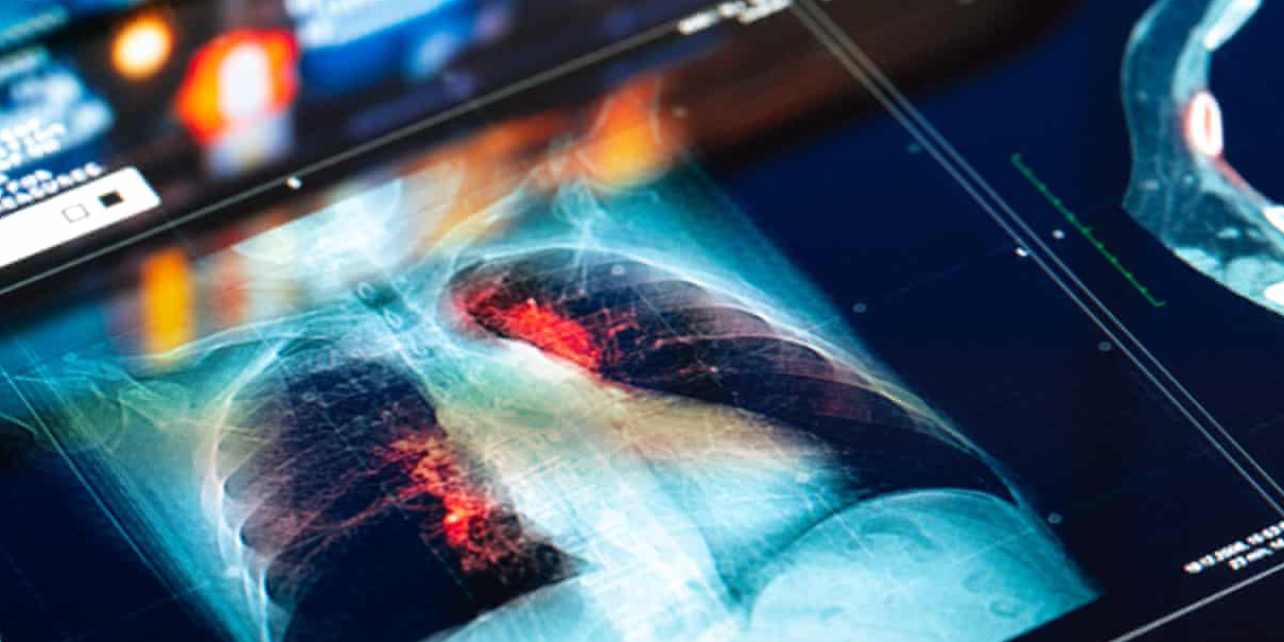
One example highlighted in the report involves an AI system failing to detect a tumour on a chest X-ray. Such an error could delay treatment, allowing cancer to spread and potentially resulting in a patient’s death.
Another scenario involves AI recommending an incorrect increase in a patient’s warfarin dosage, potentially leading to severe bleeding, emergency surgery and intensive care treatment.
According to the MPS, there is a “real and significant risk” that doctors could face negligence claims in these circumstances.
“Under the current product liability framework in the UK, there is a risk that clinical negligence claims could be brought against the clinicians in these cases and that they would be held wholly liable,” the report states.
The organisation is calling on ministers to classify AI systems used in healthcare as products under the Consumer Protection Act 1987. It argues that doing so would help ensure developers and manufacturers share responsibility when AI systems fail.
Medical professionals are becoming increasingly concerned that accountability for AI errors remains unclear as the technology becomes more embedded within healthcare.
Dr Ragit Varia, President-elect of the Society for Acute Medicine, said: “Innovation and patient safety should move forward together.”
“If AI is advancing at Formula One speed, then legislation, regulation and governance cannot be left sitting in the pit lane.”
“Clinicians should not find themselves holding a liability hot potato when decisions have been influenced by AI systems developed, supplied and implemented by others without the appropriate structure.”
“We must avoid creating an accountability vacuum where responsibility for harm is unclear.”
The Department of Health and Social Care said it welcomed the report and confirmed that NHS Resolution, the body responsible for handling negligence claims against NHS organisations in England, is developing guidance on AI liability.
A government spokesperson said: “We welcome the MPS’s report and will review its recommendations to ensure patients continue receiving the benefits of AI in healthcare safely and quickly.”
Healthcare experts have also stressed the importance of maintaining public confidence as AI becomes more widely used across the NHS.
Ahmed Binesmael, Senior Policy Analyst at the Health Foundation, said: “Our research consistently shows that public confidence in AI depends not just on the technology itself, but on the safeguards and oversight that accompany it.”
“As AI adoption grows across the NHS, ensuring clear accountability and robust governance will be essential to maintaining public trust and confidence.”
The report adds to growing calls for updated regulations to keep pace with advances in artificial intelligence and ensure responsibility is clearly defined when technology influences clinical decisions.