
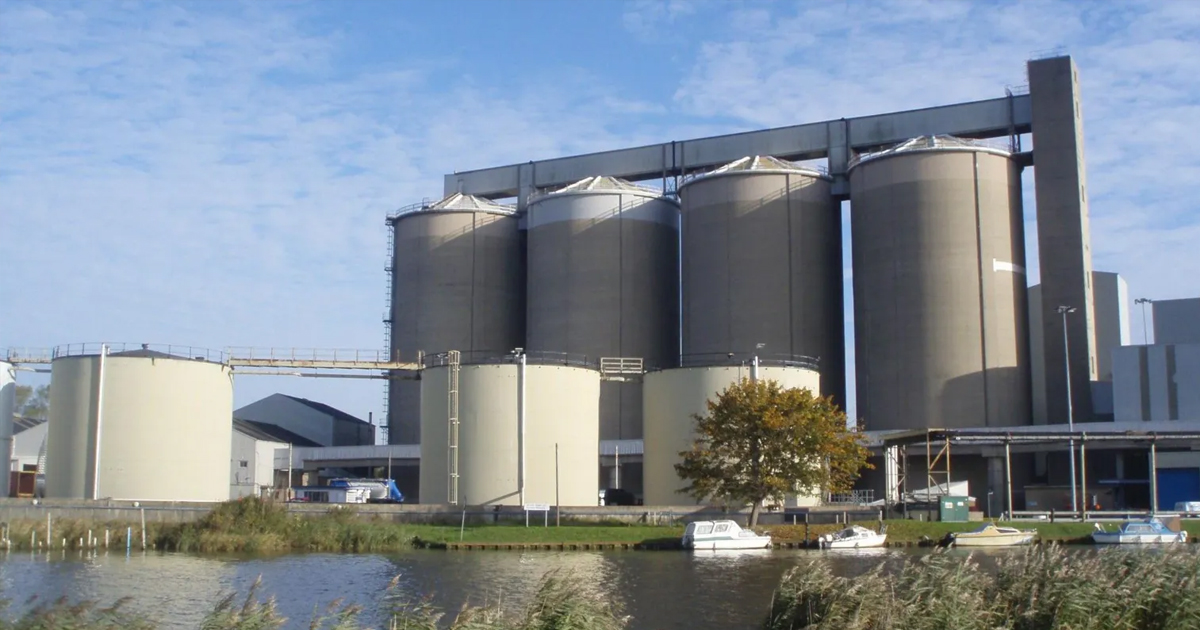
The future of the United Kingdom’s first sugar-processing factory has been thrown into uncertainty after British Sugar unveiled proposals to close its historic Cantley facility in Norfolk. The planned shutdown, which could take effect at the end of February 2027, places more than 100 jobs at risk and has sparked widespread concern among employees, local farmers, and political representatives.
British Sugar stated that the proposed closure forms part of a broader strategy to improve operational efficiency and safeguard the long-term sustainability of the UK’s sugar industry. However, the announcement has raised fears of significant economic consequences for the surrounding agricultural community, which has relied on the Cantley factory for well over a century.
Historic Factory Could End More Than a Century of Operations
Located in the Norfolk Broads, the Cantley factory occupies a unique place in Britain’s industrial history. As the nation’s first sugar-processing facility, it has been in continuous operation for more than 100 years, serving as a cornerstone of the regional sugar beet industry and a major employer within the local community.
If the proposal proceeds following consultation, the factory will cease operations from late February 2027, marking the end of an era for one of the UK’s most historically significant food manufacturing sites.
British Sugar currently operates four sugar-processing factories across the country. Under the proposed restructuring, beet processing would be consolidated at its remaining facilities in Wissington in west Norfolk, Bury St Edmunds in Suffolk, and Newark in Nottinghamshire.
British Sugar Cites Economic Pressures Behind Decision
According to British Sugar, the proposal follows an extensive review of its business operations and reflects mounting economic challenges facing the sugar sector. Keith Packer, Managing Director of British Sugar, emphasized that the decision had not been made lightly, describing it as the outcome of careful strategic evaluation.
He explained that the company continues to face multiple external pressures, including persistently low average European sugar prices, elevated energy costs, and a long-term decline in sugar production volumes across the market. These combined factors, he said, have made it increasingly difficult to maintain the long-term viability of all existing processing facilities.
The company believes that concentrating production at three factories will improve efficiency while strengthening the future competitiveness of its UK operations.
Consultation Process to Determine Future of Workforce
British Sugar confirmed that every employee currently based at the Cantley factory could be affected by the proposed closure. A formal consultation process will now begin, during which the company will engage with Unite, the recognized trade union representing employees, along with other workforce representatives. The consultation will explore the proposal in detail and examine its implications for staff before any final decision is reached.
The company has reiterated its commitment to working closely with employees throughout the consultation period.
MP Calls Proposal ‘Devastating’ for Norfolk
The announcement has drawn strong criticism from Jerome Mayhew, Conservative MP for Broadland and Fakenham, who described the proposal as devastating for both workers and the wider agricultural sector.
Mayhew revealed that British Sugar had informed him the company had recorded financial losses over the past three years, attributing much of the pressure to the long-term decline in sugar demand.
He stressed that the Cantley factory represents far more than an industrial site, arguing that it has stood at the heart of Norfolk’s farming economy for generations.
According to the MP, the factory serves as the principal destination for sugar beet grown across much of Norfolk, making it an essential component of the regional agricultural supply chain.
Norfolk Farmers Could Face Higher Costs
Beyond the immediate impact on employees, concerns have emerged regarding the financial burden the closure could place on local sugar beet growers. Should processing be transferred to more distant factories, farmers may be required to transport their crops significantly farther, increasing haulage expenses and reducing overall profitability.
Mayhew warned that additional transportation costs would place further strain on agricultural businesses already operating under challenging market conditions.
He also cautioned that the consequences would likely extend beyond farming alone, affecting numerous businesses that provide transport, maintenance, engineering, logistics, and other services connected to the Cantley operation.
The loss of such a major industrial employer, he argued, could generate a broader economic ripple effect throughout the region.
Calls to Reconsider the Closure
The local MP has called for an urgent meeting with British Sugar to examine the assumptions underpinning the proposed closure. He intends to challenge the company’s assessment and explore whether alternative options could preserve operations at the historic factory.
Mayhew said every possible solution should be thoroughly investigated before any irreversible decision is made, arguing that all opportunities to secure the plant’s future must be exhausted.
His intervention reflects growing concerns among local stakeholders that the closure would represent not only the loss of jobs but also the dismantling of a key pillar of Norfolk’s agricultural infrastructure.
Future of the UK Sugar Industry Under Scrutiny
The proposed closure of the Cantley factory highlights the broader challenges confronting the UK’s sugar industry. Rising operating costs, volatile commodity prices, evolving consumer demand, and sustained pressure on manufacturing margins are forcing companies to reassess their production networks and long-term investment strategies.
While British Sugar maintains that consolidating operations is essential to securing the industry’s future, the proposal has reignited debate over balancing commercial sustainability with the preservation of regional employment, industrial heritage, and rural economies.
As consultations begin, the fate of Britain’s first sugar factory remains uncertain. For the workers, farmers, and businesses that have depended upon the Cantley site for generations, the coming months will prove decisive in determining whether one of the country’s most historic manufacturing landmarks can be preserved or whether its century-long legacy will come to an end.