
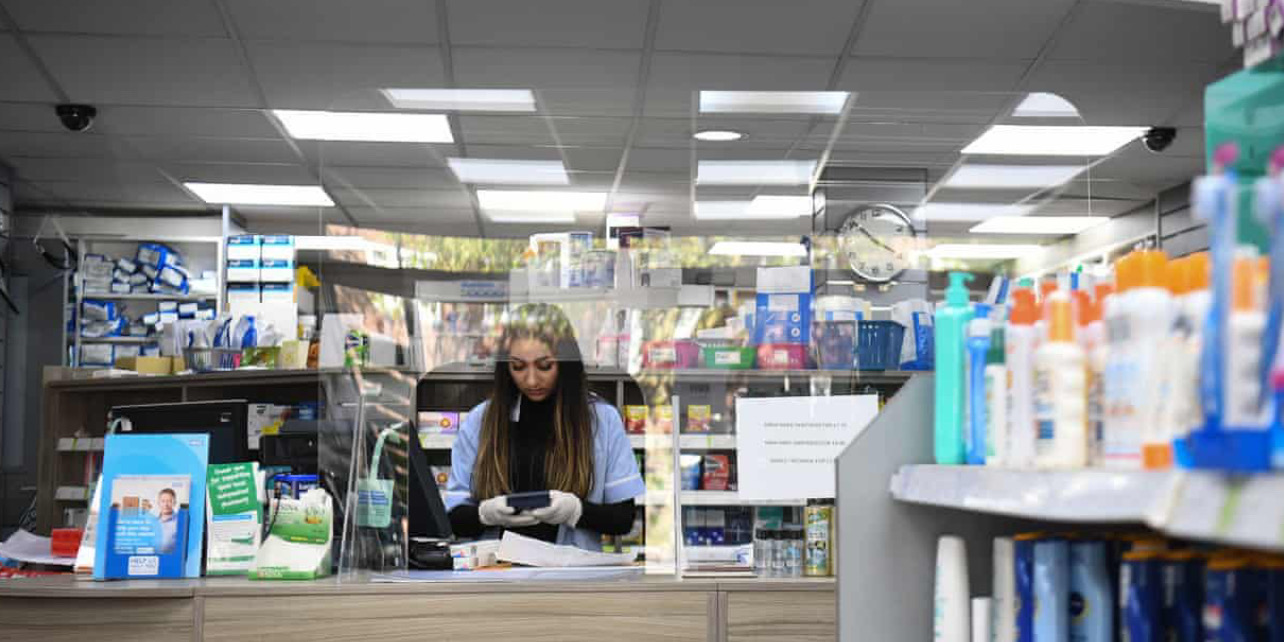
Patients across England are facing longer journeys to collect prescriptions and seek medical advice after many pharmacies reduced their opening hours at weekends, according to new data from the National Pharmacy Association.
The organisation said one in six pharmacies in England have shortened their Saturday and Sunday hours since 2022 due to what it described as “unsustainable” financial pressures.
The reduction has led to more than 20 per cent of weekend pharmacy opening hours disappearing across the country.
As a result, some patients have been forced to travel significant distances to obtain medicines or medical advice, while others have turned to hospital services such as A&E departments or urgent treatment centres for help with minor health problems.
Pharmacies are often the first place patients go for services including emergency contraception, prescription medicines and advice on minor illnesses.
The cuts have had a noticeable impact in rural areas, including parts of Devon, Cornwall and the Lake District.
For example, the town of St Ives previously had three pharmacies, one of which opened at weekends. After two closed, the remaining pharmacy no longer operates on Saturdays or Sundays, meaning residents must travel to nearby towns such as Hayle or Penzance for assistance.
In Windermere, patients now have to travel around 10 miles to reach the nearest pharmacy open on a Sunday.
Urban areas have also seen reduced availability, with fewer weekend pharmacy hours reported in cities such as Manchester and Leeds.
Health organisations say the trend is creating barriers for people who rely on local pharmacies for quick access to healthcare.
Olivier Picard, chief executive of the National Pharmacy Association, said the pharmacy network was under severe strain.
“This is yet more evidence that the pharmacy network in England is creaking at the seams after facing deep cuts over a number of years. Sadly the real losers are the millions of patients these pharmacies serve, particularly those in rural areas, who are forced to travel long distances or even go to hospital if they need a prescription or advice for a minor health issue on a Sunday or late at night.”
Rebecca Curtayne from Healthwatch England said the reduction in weekend services was already affecting patients.
“People rely on their local pharmacy for timely advice and essential medication, so cuts to weekend opening hours are very worrying.”
She added that longer journeys to open pharmacies created particular challenges for people with limited mobility or poor transport options.
According to the NPA, around 1,550 pharmacies in England have closed entirely since 2017.
The association says funding from the NHS for pharmacy services has fallen by around 40 per cent in real terms since 2016, affecting the ability of many pharmacies to maintain previous opening hours.
Patient advocates warn that reduced access to pharmacies could undermine government plans to expand community-based healthcare.
Rachel Power, chief executive of the Patients Association, said: “When pharmacies close their doors or cut opening hours, patients pay the price.”
She added that local pharmacies often help prevent unnecessary GP or hospital visits, particularly for shift workers and people without access to transport.
A spokesperson for the Department of Health and Social Care said the government recognised the importance of community pharmacies within the NHS system.
“Community pharmacies are a vital front door to the NHS, which is why this government has provided them with the largest funding uplift of any part of the NHS over the last two years – reaching a total of £3.1bn.”
Officials said discussions were ongoing with pharmacy representatives to determine future funding arrangements while supporting plans to expand community healthcare services.