
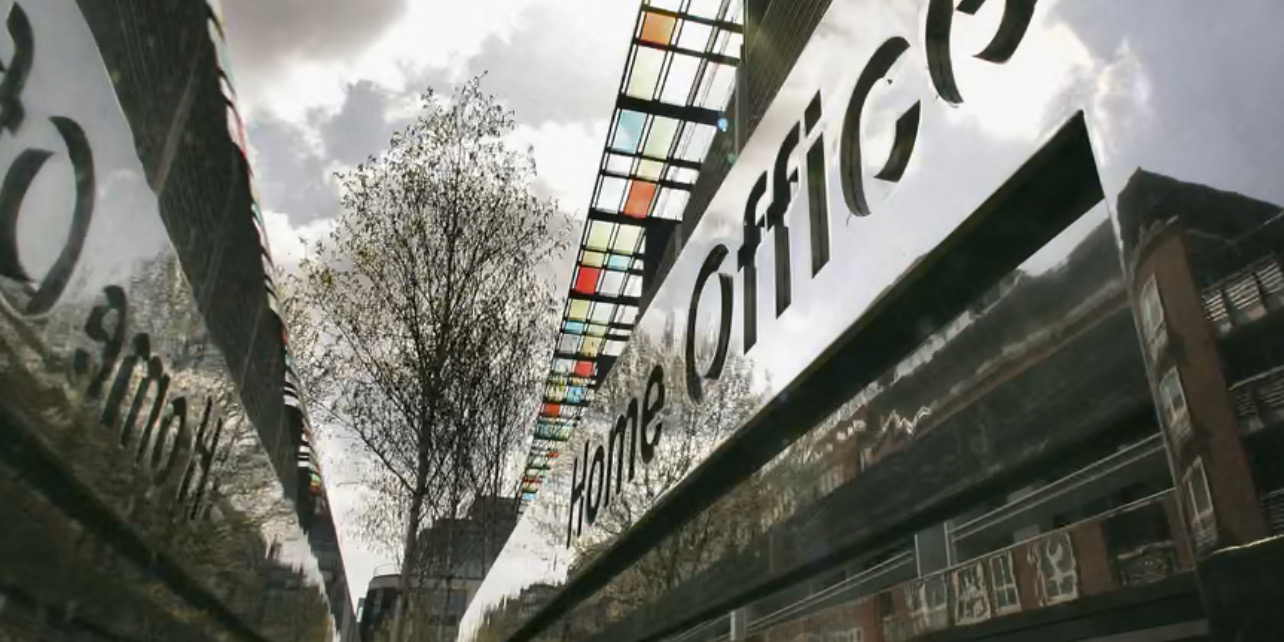
More British teenagers have been left stranded overseas due to new Home Office rules requiring dual nationals to present a British passport before boarding flights to the UK.
The latest cases emerged shortly after reports that a 16-year-old British schoolgirl was prevented from boarding a flight in Denmark because she did not have a British passport, despite holding dual nationality. She has already missed two weeks of school.
Under the new regulations, British dual nationals must show a valid or expired UK passport, or a certificate of entitlement, before being allowed to travel back to Britain — a requirement that has caught many families off guard.
Among those affected is Anna*, a 19-year-old student from Oxfordshire who is currently stranded in Madrid following a university-organised trip. As a dual French-British national, she had not yet obtained a British passport in line with the new rules.
Her grandmother, Rosemary*, said the family had received no prior warning.
“It’s like they have brought in a new law and not considered the time people needed to get passports and to change their status ahead of upcoming changes in the rules,” she said.
“It’s just not right. It’s crazy that a little bit of leeway is not allowed.”
She added that Anna had other documents proving her British identity, including a birth certificate and copies of her parents’ passports.
“We are extremely concerned, as you can imagine,” she said.
In a separate case, an 18-year-old British-Danish national was left stranded in Mumbai after airline staff refused to let her board a return flight without a British passport. She had been travelling with friends following a holiday and was left alone when they were able to return home.
“She couldn’t leave the airport as she had no visa to find accommodation. She was very, very scared,” her mother, Kristen*, said.
The teenager had travelled abroad before the rule change came into effect on 25 February and was unaware of the requirement. Attempts by her family to assist her remotely, including sending a scanned copy of her passport and contacting the British embassy, were unsuccessful.
Kristen said her daughter was also misled by advice to obtain an emergency visa, which “turned out to be a scam”. She eventually managed to board a later flight after spending the night in the airport.
The impact of the new rules has also affected families planning visits to the UK. In Yorkshire, one woman said she was devastated after her son cancelled a long-awaited trip from New Zealand because his children did not have British passports.
“We were all so excited to think they were coming to visit us,” said Susan*.
“Devastation doesn’t begin to describe it.”
She added that the family felt trapped in “dual passport hell” and criticised what she described as a “total lack of communication” about the changes.
Further complaints have emerged from British citizens in countries such as Canada and Australia, with some saying they are unable to travel with newborn children because passport applications can take months.
One father, preparing to travel for his brother’s wedding, said he realised too late that his baby would need a British passport.
“I’m reading this news about dual nationals and realise we don’t have time to apply for a British passport,” he said.
The Home Office has declined to comment on individual cases but has previously said it informed the public of the changes through updates on its official website in October 2024.
Last week, the government announced a partial reversal of the policy, allowing EU citizens with settled status to travel using their second passport. However, this exemption does not extend to their children.
Ministers have also resisted calls to introduce a grace period, leaving many families facing ongoing disruption as they attempt to comply with the new travel requirements.