
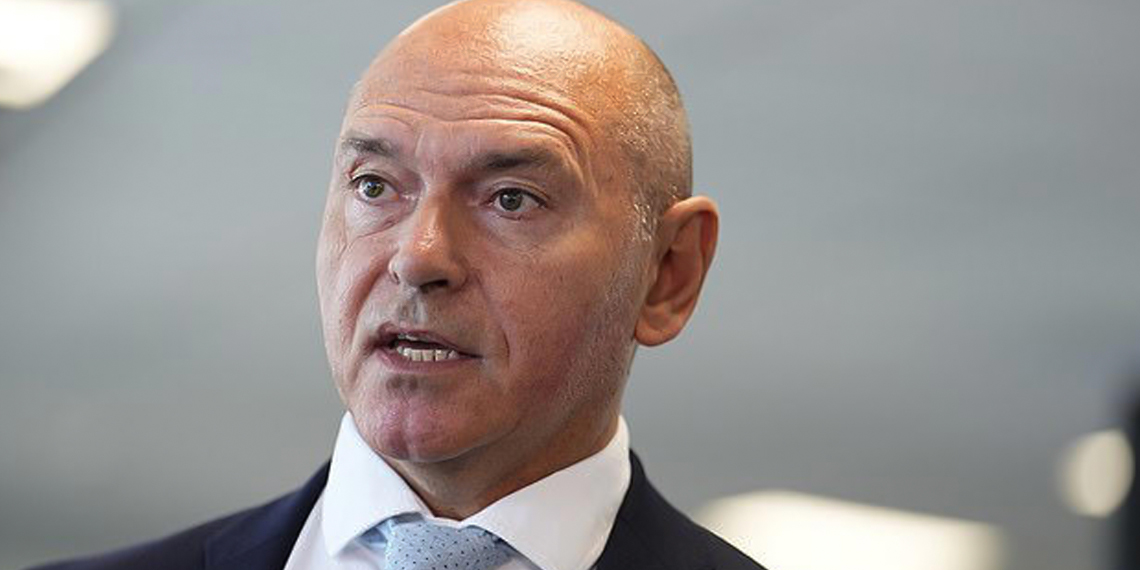
The ongoing NHS doctor strikes have been “deliberately timed to cause havoc,” according to Jim Mackey, as resident doctors continue a six-day walkout that is placing mounting pressure on hospitals across England.
Senior NHS officials say staffing shortages have worsened following the Easter holiday period, making it increasingly difficult for hospitals to maintain services as thousands of resident doctors take industrial action over pay and working conditions.
The latest strike marks the 15th round of action by doctors in training, previously known as junior doctors, in a dispute that has now spanned more than a year.
Hospitals Struggle to Maintain Staffing Levels
NHS England said many hospitals have faced significant challenges filling rotas, particularly as the strike coincides with a period when many healthcare staff are on annual leave.
In a letter to healthcare leaders, Mackey acknowledged the strain placed on frontline services and warned that disruption could continue throughout the strike period.
He said the timing of the walkout had intensified operational pressures, with hospitals working to maintain essential care while covering gaps left by striking doctors.
Despite the challenges, NHS leaders said efforts were being made to keep services running and minimise disruption to patients.
Doctors Demand Further Pay Increases
Resident doctors began the strike seeking a 26% pay rise, in addition to the 28.9% increase they have already received over the past three years.
The dispute centres on what doctors describe as long-term pay erosion since 2008, when adjusted for inflation.
The British Medical Association argues that restoring pay to previous real-terms levels is necessary to retain staff and prevent further workforce shortages.
However, the government has rejected the demand as unaffordable.
Cost of Strikes Continues to Mount
Each day of strike action is estimated to cost the NHS around £50 million due to cancelled appointments, delayed procedures and the need to pay consultants overtime to cover shifts.
Health officials say the cumulative cost of the dispute has already reached billions of pounds, raising concerns about its impact on patient care and NHS recovery efforts.
The dispute has also contributed to ongoing delays in reducing waiting lists, which remain a major challenge for the health service.
Government Rejects Pay Demands
Wes Streeting has criticised the union’s demands, warning that meeting them could cost taxpayers up to £30 billion annually if extended across the wider NHS workforce.
He argued that agreeing to such increases would set a precedent for other public sector workers, significantly increasing overall public spending.
Streeting also acknowledged that the strikes would result in longer waiting times for some patients, with appointments postponed during the industrial action.
Debate Over Strike Restrictions Intensifies
The dispute has sparked a broader political debate about whether doctors should be allowed to strike.
Kemi Badenoch has called for a ban on strikes by doctors and consultants, arguing that their roles are too critical to allow industrial action.
She suggested introducing restrictions similar to those applied to police and the armed forces, alongside minimum service levels to ensure patient safety.
Streeting has said removing the right to strike is not currently under consideration but acknowledged it remains an option in principle.
Union Defends Industrial Action
The BMA insists the strikes were avoidable and blames the government for failing to reach a fair agreement.
Jack Fletcher said doctors would not be striking if the dispute had been resolved earlier.
He warned that continued failure to address pay and working conditions could worsen staffing shortages and undermine the NHS’s ability to deliver care.
The union has also rejected previous government proposals, including a deal that would have increased pay and expanded specialist training opportunities.
Public Support Begins to Shift
Recent polling by YouGov suggests public opinion may be turning against the strikes.
The proportion of adults opposing industrial action has risen to 55%, up from 33% in 2023, while 37% continue to support the doctors.
The findings reflect growing frustration among patients facing delays and disruption to care.
Long-Running NHS Workforce Crisis
The strike is part of a broader workforce crisis within the NHS, driven by staff shortages, rising demand and financial pressures.
Resident doctors make up a significant portion of the NHS workforce, playing a key role in delivering frontline care.
Over the past decade, concerns about pay, workload and career progression have led to increased dissatisfaction among medical staff, contributing to recruitment and retention challenges.
The dispute also comes at a time when the NHS is attempting to reduce waiting lists and improve performance following the Covid-19 pandemic.
Ongoing Talks Offer Limited Hope of Resolution
Negotiations between the government and the BMA have so far failed to produce a breakthrough, with both sides remaining far apart on key issues.
While talks are expected to continue, NHS leaders have warned that further industrial action could prolong disruption and delay recovery efforts.
Unless an agreement is reached, patients are likely to face continued uncertainty as the health service navigates one of its most prolonged disputes in recent history.