
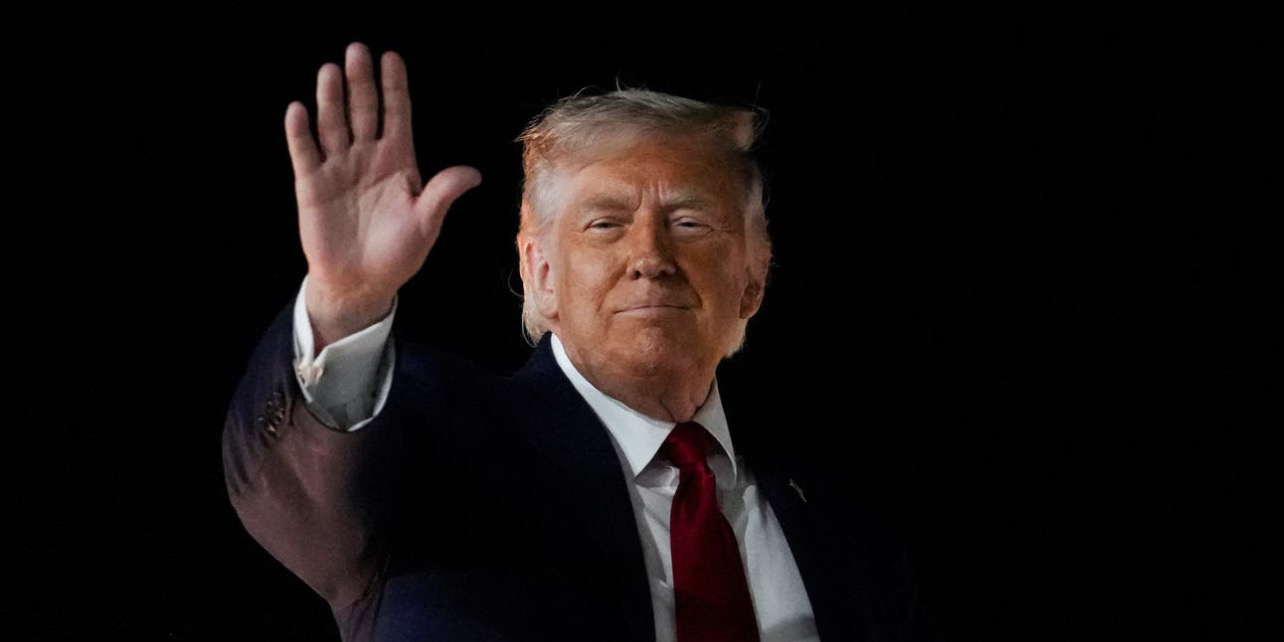
The White House has urged the UK government not to introduce a ban on social media for under-16s, as ministers consider new measures aimed at protecting children from online harms.
The intervention comes as the British government reviews proposals that could restrict young people’s access to social media platforms, following growing concerns from parents and child safety campaigners.
In its response to a government consultation, the Trump administration criticised the idea of an Australia-style social media ban, arguing that such measures could undermine freedom of speech and place unnecessary restrictions on technology companies.
The US government said it opposed “prescribed one-size-fits-all government restrictions” and “blunt regulatory instruments” designed to limit young people’s use of social media.
Instead, it called for “targeted requirements” focused on “pornographic and adult commercial content … rather than broad social media bans”.
The White House also raised concerns that new rules could “impose disproportionate compliance burdens on American companies”.
However, Technology Secretary Liz Kendall rejected suggestions that the UK would be influenced by the US position.
Speaking to Sky News, Kendall said: “I’m very happy whoever puts their submission in, but I will take the decision for British families and British children and young people, and I won’t be swayed in any way, shape or form from doing what I believe is right for children in this country.”
She added that the views of British parents carried far more weight in the decision-making process.
“I will read that submission carefully, but I’m much more bothered about the parents who have replied to the consultation, nine out of 10 of whom want to see social media banned for under-16s, and I’m really concerned to make sure we help parents.”
Kendall also stressed that her focus remains on protecting children and supporting families across the UK.
“We talk to everybody, but my job is secretary of state for science and technology for the United Kingdom, and that’s what I’m focused on,” she said.
Prime Minister Keir Starmer is expected to announce plans next week following the conclusion of the consultation process, which reportedly received support from tens of thousands of parents.
The UK has been closely monitoring developments in Australia, which introduced a social media ban for under-16s in December. However, ministers have indicated that any British approach is likely to be more targeted rather than a blanket prohibition.
Potential measures under consideration include stricter age verification requirements, limits on certain platform features, controls on “stranger pairing” in online gaming and restrictions on addictive functions such as infinite scrolling.
Kendall said any future policy would require robust enforcement mechanisms.
“If we were to do this, you would definitely have to look at how you make sure that there’s proper age verification and compliance,” she said.
“That’s one of the lessons I take from what’s happened there is you would need proper sort of age verification measures for this to work in practice.”
She also warned that regulating children’s online activity would be an ongoing challenge as technology continues to evolve rapidly.
“Anybody in this world who thinks that is one and done will be wrong, because the technology is always changing,” she said.
The debate highlights growing international divisions over how best to protect children online while balancing concerns around privacy, freedom of expression and parental responsibility.