
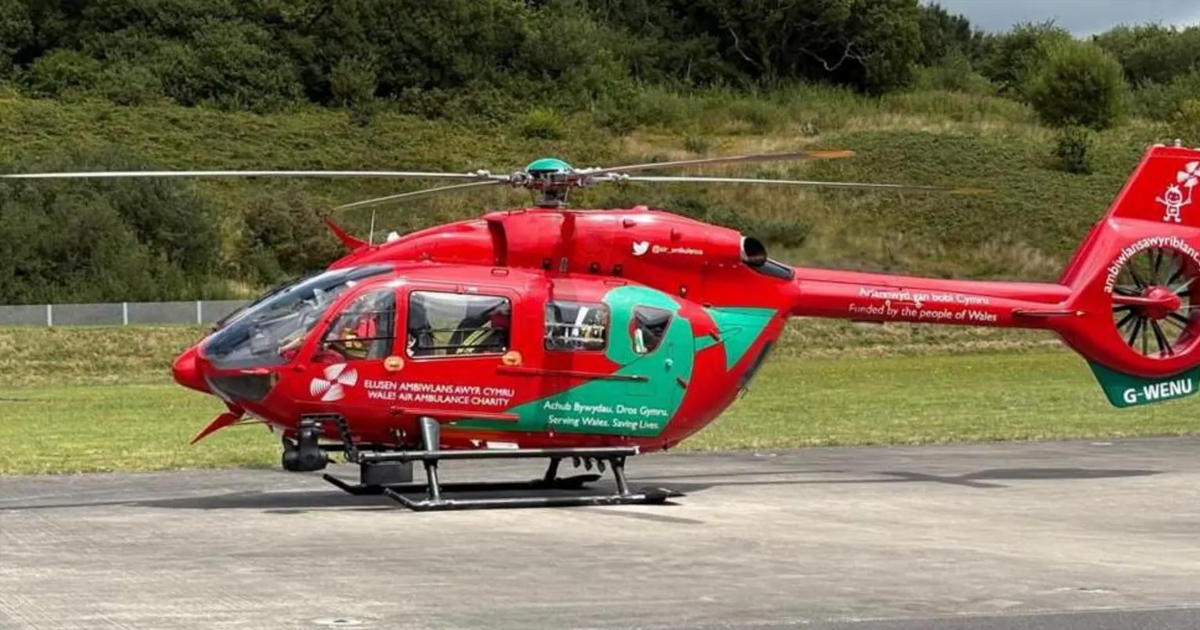
The Wales Air Ambulance Service has launched an urgent public appeal as soaring aviation fuel prices linked to the Iran war threaten to add £45,000 a month to its operating costs. The charity warned that the sharp rise in expenses could put additional strain on its life-saving services, as it seeks to maintain emergency response coverage across Wales.
Officials say the Wales Air Ambulance fuel costs surge has been driven by a dramatic increase in aviation fuel prices, which have risen by around 75% since the conflict escalated in the Middle East. The organisation is now calling on the public to help bridge the funding gap, with an immediate fundraising target of £50,000.
Fuel price spike hits emergency services
Charlotte Philips, director of aviation operations at the charity, said the surge in fuel prices has been both sudden and severe. Speaking publicly, she explained that the service relies on multiple suppliers but has seen consistent increases across the board in recent weeks.
During a typical summer month, the air ambulance service spends approximately £60,000 on aviation fuel. However, if current prices persist, monthly costs could rise by an additional £45,000, placing significant pressure on an already stretched budget.
Philips described the situation as an “exceptional unforecasted cost,” adding that the organisation had no way of anticipating such a sharp increase. She acknowledged that requesting additional donations is a difficult decision, particularly during a period when many households are already facing financial challenges.
Charity funding pressures and public appeal
The Wales Air Ambulance Service relies heavily on public support, requiring around £13 million annually to sustain its operations. The sudden spike in fuel costs has forced the charity to seek emergency funding to ensure that helicopters and crews can continue to respond to critical incidents across rural and urban areas.
The appeal underscores the vulnerability of emergency services that depend on charitable funding, especially during periods of global economic instability. Without sufficient financial support, there are concerns that operational capacity could be affected.
Air ambulance services play a crucial role in providing rapid medical response, particularly in remote or hard-to-reach areas where ground transport may be slower. Any disruption to these services could have serious implications for patient outcomes.
Government and political response
The UK government has acknowledged the broader affordability challenges caused by rising energy prices, stating that keeping costs down remains a top priority. Measures such as extending fuel duty cuts and encouraging de-escalation in the Middle East conflict have been highlighted as part of the response.
Political parties in Wales have also weighed in on the issue. Welsh Labour has indicated plans to review non-emergency hospital transport and improve access to healthcare services through better transport planning.
Meanwhile, Welsh Conservatives have called for a health emergency declaration to prioritise frontline services and ensure stability for critical organisations such as air ambulances. Reform Wales has emphasised the importance of maintaining emergency response times in rural and remote communities.
Plaid Cymru has urged the UK government to provide adequate support for essential services while advocating for a diplomatic resolution to the conflict and the reopening of key international shipping routes.
Energy crisis and global conflict impact
The surge in aviation fuel costs reflects wider disruptions in global energy markets caused by the Iran war. The conflict has affected key oil supply routes, particularly through the Strait of Hormuz, a vital corridor for global oil shipments.
Rising oil prices have had a ripple effect across multiple sectors, from transport and logistics to healthcare and emergency services. For organisations like the Wales Air Ambulance Service, which depend on aviation fuel for critical operations, the impact is immediate and substantial.
The situation also highlights the broader economic challenges facing the UK, where rising energy costs are contributing to inflation and increasing financial pressure on both public services and charities.
As the conflict continues to influence global markets, the Wales Air Ambulance Service’s appeal serves as a stark reminder of how international events can directly affect local life-saving services, reinforcing the importance of sustained public and governmental support.